

































Guide to walking multiple dogs safely
 by Nicolas Bartholomeeusen on Jul 08 2026· 4 min read
Key takeaways
- Introduce multiple dogs to walking together gradually, starting with solo walks before combining them so each dog settles into the routine.
- Use sturdy, well-fitted leads and collars, and consider harnesses for any dog that tends to pull, so you keep real control over the group.
- Watch how the dogs interact and step in early if the energy shifts, since some dogs get on well while others can be territorial.
- When walking dogs of different sizes together, set the pace to the smallest dog and use leads of different lengths to prevent tangling.
Walking one dog is simple enough. Add a second, and you're suddenly managing two different paces, two sets of reactions to cyclists, and two dogs with strong opinions about which direction to go. It works well when you plan for it, but it takes more thought than most people expect.
The dogs need to get along, or at least tolerate each other. You need equipment that gives you actual control. And you need to understand each dog's behaviour before putting them all on leads at the same time.
Preparing to walk multiple dogs
If you own multiple dogs, walking them together has real advantages: they socialise, you save time, and the walk can be longer and more stimulating for everyone. But the preparation matters. Before heading out, think about physical needs, behaviour, and how the dogs interact with each other. Choose sturdy, comfortable equipment and give each dog time to get used to it. Lay this groundwork and the walks themselves become much easier.
Tips for walking multiple dogs
Each dog needs individual attention, even on a group walk. Here are the tips that make the biggest difference:
Tip 1: Use sturdy leads and collars
Invest in good-quality leads and collars so you have real control over all the dogs. Harnesses give extra control, especially if one dog tends to pull.
Tip 2: Start one at a time
If the dogs aren't used to walking together, start by taking each one out individually. This lets each dog settle into the routine without the added distraction of the others.
Tip 3: Watch the dynamics between the dogs
Keep a close eye on how the dogs interact. Some get on well; others can be territorial. Keep the interactions positive and step in early if the energy shifts.
Tip 4: Train the basic commands
Each dog should respond reliably to sit, stay, and come. These are the commands that let you maintain control when things get complicated.
Tip 5: Choose the right environment
Select a quiet area when dogs are still getting used to each other. Busy streets and other dogs can overstimulate them, which makes everything harder.
Tip 6: Vary the routes
Dogs like to explore. Rotating routes keeps walks interesting and prevents boredom from setting in.
Tip 7: Let them play when it's safe
If the dogs get along well, some off-lead time in a safe area helps build a positive bond between them and burns off extra energy.
Tip 8: Give each dog individual attention
Even on a group walk, check in with each dog individually. It maintains your bond with each one and prevents any dog from feeling like an afterthought.
Safety when walking multiple dogs
Large and small dogs together
Walking large and small dogs at the same time requires adjusting your pace so both can walk comfortably. The smallest dog sets the limit. Don't let the larger one drag the pace.
Preventing leads from tangling
Use leads of different lengths and keep them from crossing. If the dogs tend to circle each other, practice the positions before heading somewhere busy.
Walk as many dogs as you can actually control
There's no universal number. It depends on your experience, the dogs' temperaments, and the environment. Know each dog's behaviour well and be honest about when you're at your limit.
Frequently asked questions
How do you walk two dogs at the same time?
Patience first. Start with two dogs that get on well and build from there. Trying to manage dogs that don't like each other on day one is a recipe for a stressful walk for everyone.
How do you walk two dogs without getting tangled?
Use leads of different lengths and practise keeping them apart. The longer you walk them together, the more instinctive it becomes.
Should I walk my dogs separately?
If they get on well, walking together is fine. If there are consistent conflicts or one dog is reactive, separate walks may be safer until the issue is addressed.
How do you walk two dogs that both pull?
Anti-pull harnesses help. So does consistent obedience training with reward-based positive reinforcement. Pulling tends to worsen when dogs are over-excited, so keeping the walks calm from the start makes a difference.
Keep your dogs at their best
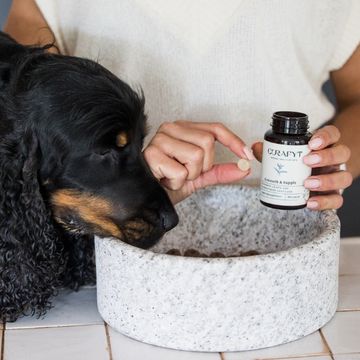
The IMBY range includes hypoallergenic dog food, supplements, and snacks to support your dogs through every walk and activity level.
Shop IMBY dog products