






















What is dandruff in dogs?
 by Nicolas Bartholomeeusen on Jun 14 2026· 8 min read
Key takeaways
- Dog dander (skin flakes, saliva, and oil residue) is different from dandruff, and it's dander that carries Can f 1, the main allergen behind human dog allergies.
- "Hypoallergenic" breeds don't reliably shed less allergen than other dogs, so managing dander comes down to grooming, diet, and bathing routine rather than breed choice.
- Visible dandruff usually points to dry skin, seborrhoea, allergies, parasites, or an infection, and treating the underlying cause resolves the flaking.
- Omega-3 supplementation, medicated shampoo, regular brushing, and parasite control are the most effective ways to manage and prevent flaking.
What is dandruff in dogs?
Dandruff in dogs occurs when the top layer of skin sheds dead skin cells in the form of flakes. This condition, often confused with dandruff, is visible as small white, brown or even black flakes on the dog’s coat or skin. Flaking can range from mild and superficial to more severe, with the skin feeling dry or greasy. Flaking can be a sign of underlying health issues such as skin allergies, hormonal imbalances, or seborrhoea. The problem can usually be resolved by identifying the cause and treating it specifically.
Is dog dander the same as dandruff?
Not quite. Dander is the general term for the tiny flecks of skin, along with traces of saliva and oil-gland secretions, that every dog sheds continuously as part of normal skin turnover. Dandruff is what you see when that shedding becomes visible and excessive, usually because something, such as dry skin, allergies, seborrhoea or parasites, has disrupted the normal cycle.
Dander matters for reasons beyond coat care. It carries Can f 1, the major dog allergen, a lipocalin protein produced mainly in the sebaceous glands and salivary glands that clings to hair and skin flakes long after they leave the dog [1]. Grooming spreads the same proteins from saliva onto the coat and skin, and research comparing the two sources found saliva contains an even wider range of allergenic proteins than dander itself [2]. This combination is the main reason dogs trigger allergic reactions in sensitive people, even when a dog looks perfectly healthy and isn't flaking visibly.
Good to know
A study measuring allergen levels in 173 dog-owning households found no meaningful difference between breeds marketed as "hypoallergenic" and other breeds [3]. Coat type alone doesn't determine how much allergen a dog produces or spreads.
What causes dandruff in dogs?
There are several factors that can cause dandruff in dogs:
1. Dry skin
Dry skin, often caused by a lack of moisture or essential fatty acids, frequently leads to flaky patches on the skin. This is common in dogs living in dry or cold climates.
2. Seborrhoea
Seborrhoea is a condition in which the dog’s skin produces excess oil, leading to greasy or dry flakes. This condition can be primary, meaning it is genetic, or secondary to other problems such as hormonal disorders or infections.
3. Allergies
Skin allergies can cause intense itching and flaking, particularly around sensitive areas such as the belly, legs and ears. These allergies are often caused by fleas, food, or environmental factors such as pollen.
4. Parasites
Fleas, ticks, and mites such as demodex or sarcoptes can cause skin irritation and flaking. These parasites cause not only flaking but also redness, hair loss and inflammation.
5. Infections
Both bacterial and fungal infections can damage a dog’s skin, resulting in flaking. A common fungal infection that causes flaking is ringworm, which spreads through direct contact with the source of infection.
How do I recognise dandruff in my dog?
Dandruff in dogs can be recognised by the visible white or brown flakes on the dog’s skin and coat. These flakes may appear on the back, belly, ears or even within the dog’s coat. Other symptoms may also occur:
- Itching: A dog with dandruff will often scratch or lick excessively.
- Redness: In severe cases, the skin may become red and inflamed.
- Coat changes: The coat may look dull or greasy.
- Hair loss: Some dogs lose hair in areas where flakes accumulate.
What causes white flakes in dogs?
White flakes are usually a sign of dry skin or mild flaking caused by a lack of moisture or essential nutrients. These flakes can also be caused by improper coat care or washing too often, which strips the skin of its natural oils. Dogs that don't get enough omega-3 fatty acids in their diet are more likely to develop dry, flaky skin [4].
Can dandruff in dogs indicate an allergy?
Yes, dandruff can often indicate an underlying skin allergy. Dogs with allergies often display other symptoms such as redness, itching, and inflammation. Common allergies in dogs include food allergies and flea allergies. If the allergy is left untreated, the dog’s skin can become dry and flaky, leading to further irritation and flaking.
How are skin allergies in dogs diagnosed?
Skin allergies are often diagnosed through an elimination diet, skin tests or blood tests. A veterinarian can carry out tests to identify the exact cause of the allergy and suggest a suitable treatment.
What are the symptoms of seborrhoea in dogs?
Seborrhoea in dogs causes flaking, an oily skin, and sometimes an unpleasant odour. The condition is often characterised by a dull coat and excessive sebum production, leading to a build-up of oil and flakes on the skin. Seborrhoea can occur on the dog’s back, ears, belly and legs.
What is the difference between dry and oily seborrhoea?
- Dry seborrhoea: Characterised by dry, white flakes and flaky skin.
- Oily seborrhoea: The dog’s skin feels greasy and the coat may have a shiny, oily sheen, with yellow or brown flakes.
How can I treat dandruff in my dog?
The treatment of dandruff in dogs depends on the underlying cause. Here are some possible solutions:
1. Dietary supplementation with omega-3 fatty acids
A diet rich in omega-3 fatty acids can help moisturise the skin and reduce dandruff. In a placebo-controlled trial, dogs given omega-3 supplements for ten weeks showed measurable improvement in skin and coat condition compared with dogs given a placebo [4]. Dietary supplements such as fish oil, or plant-based alternatives for dogs sensitive to fish oil, can be effective for dogs with dry skin.
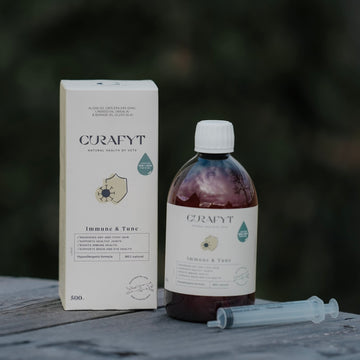
Immune & Tune Supplement
A vet-formulated, plant-based omega-3 supplement made as a hypoallergenic alternative to salmon oil. It supports itchy, dry or sensitive skin alongside joint and immune health, useful if your dog's flaking is linked to low omega-3 intake.
2. Use of medicated shampoo
There are special anti-dandruff shampoos designed to cleanse and moisturise the dog’s skin. For dogs with a fungal infection or oily seborrhoea, an anti-fungal shampoo can help to manage the condition.
3. Flea and parasite control
If the flaking is caused by parasites, flea and mite control products should be used to treat the infection and prevent further irritation.
What should I do if my dog’s skin is flaking?
This may indicate dry skin or an underlying condition such as seborrhoea. It is important to check your dog’s skin and coat regularly for signs of flaking or other skin abnormalities. Regular bathing with a moisturising dog shampoo can help keep the skin hydrated.
What are black flakes on a dog’s skin?
Black flakes on a dog’s skin can be caused by an underlying fungal infection, such as Malassezia, or by chronic skin irritations and inflammation. These flakes may also result from hyperpigmentation due to persistent irritation or skin allergies. It is important to have black flakes examined by a veterinarian, as they may indicate more serious skin problems.
What can I do to prevent skin flakes in my dog?
Preventing dandruff starts with good skin and coat care. Here are some tips to prevent dandruff:
- Regular brushing: By brushing the coat regularly, you remove loose skin cells and stimulate the skin’s natural oils.
- Use of moisturising shampoos: Choose a gentle shampoo that moisturises the skin and reduces irritation.
- Healthy nutrition: Ensure balanced nutrition with sufficient fatty acids to keep your dog’s skin healthy.
- Avoid excessive bathing: Washing too often can dry out your dog’s skin and make flaking worse.
When should I take my dog to the veterinarian for dandruff?
If the dandruff is accompanied by other symptoms such as severe itching, redness, hair loss or inflammation, it is important to consult a veterinarian. Dandruff can indicate underlying health issues that require professional treatment. Early intervention is essential to prevent further complications.
Conclusion
Skin flaking in dogs can be caused by various factors, ranging from dry skin and allergies to seborrhoea or parasitic infections. It is important to identify the underlying cause and follow an appropriate treatment plan. Regular care, a healthy diet, and the use of suitable shampoos can help keep your dog’s skin healthy and reduce flaking. If symptoms persist, it is always advisable to consult a veterinarian.
References
- Konieczny A, Morgenstern JP, Bizinkauskas CB, et al. The major dog allergens, Can f 1 and Can f 2, are salivary lipocalin proteins: cloning and immunological characterization of the recombinant forms. Immunology. 1997;92(4):577-586.
- Polovic N, Wadén K, Binnmyr J, et al. Dog saliva, an important source of dog allergens. Allergy. 2013;68(5):585-592.
- Nicholas CE, Wegienka GR, Havstad SL, Zoratti EM, Ownby DR, Johnson CC. Dog allergen levels in homes with hypoallergenic compared with nonhypoallergenic dogs. American Journal of Rhinology & Allergy. 2011;25(4):252-256.
- Mueller RS, Fieseler KV, Fettman MJ, et al. Effect of omega-3 fatty acids on canine atopic dermatitis. Journal of Small Animal Practice. 2004;45(6):293-297.
Keep your dog's skin and coat in good shape
If flaking, dryness or itching keep coming back, a daily skin-support supplement can help alongside the right diet and grooming routine.
Shop skin & allergy supplementsShare