
























Changing puppy food too soon | Symptoms & tips
 by Nicolas Bartholomeeusen on Jul 06 2026· 6 min read
Key takeaways
- Switch your puppy's food gradually over 5 to 7 days rather than all at once, since abrupt changes commonly trigger diarrhoea, vomiting, or regurgitation.
- Use a step-down feeding plan, moving from 75% old food and 25% new on day one through to 100% new food by around day 10, adjusting the pace to your pet's reaction.
- A sudden diet change disrupts the gut flora that dogs and puppies rely on for digestion, so a vet-approved probiotic can ease the transition. Older dogs, large breeds, and pets with health issues often need an even slower switch.
- Seek veterinary care right away if you see persistent diarrhoea, severe vomiting, blood in the stool, lethargy, or significant weight loss, since these signal more than a normal adjustment period.
Welcoming a new puppy into your home is an exciting experience. During the first 48 hours with a new puppy, you lay the foundations for a lifelong relationship. But amidst all that joy, it is essential to pay attention to your puppy's diet, including how you manage the transition to a new type of dog food. It is crucial that you do not switch to different types of nutrition for your puppy or dog too quickly. If you do, it can have undesirable consequences. Common symptoms of switching to different types of nutrition too quickly can include diarrhoea and vomiting. Fortunately, this need not be a problem if you follow the steps below.
The importance of a gradual transition when changing puppy food
An abrupt transition to a new diet can lead to gastrointestinal upset in dogs and puppies. A gradual transition of 5-7 days gives your pet's body the chance to adapt effectively. During this transition, keep a close eye on your pet's behaviour and stools to see how well they are coping with the change.What happens if you change puppy food too quickly?
Switching puppy food too quickly can lead to a range of symptoms. At first, they may seem mild, but if ignored, they can worsen and lead to more serious health problems.Symptoms in dogs
In dogs, the most common symptoms of switching puppy food too quickly include:- Diarrhoea
- Vomiting
- Regurgitation
- Changes in the colour of the stools
Symptoms in puppies
Puppies, with their sensitive digestive systems, may show symptoms such as:- Vomiting
- Diarrhoea
- Loss of appetite
The role of gut flora in dietary changes
Both puppies and dogs have a complex ecosystem of bacteria in their digestive tract, also known as gut flora. These bacteria play a crucial role in the digestion and absorption of nutrients. A sudden change in your pet's diet disrupts this balance, leading to gastrointestinal problems such as diarrhoea or vomiting. Restoring the gut flora Probiotics, beneficial bacteria, can help restore the balance of your pet's gut flora. When introducing a new diet, consider adding a veterinarian-approved probiotic. This can ease the transition and help prevent digestive problems.The impact of age and health on dietary changes
Your pet's age and health play a significant role in determining their ability to cope with dietary changes. Older dogs, puppies and dogs with certain health issues may require more gradual transitions and closer monitoring.Older dogs and dietary changes
Older dogs may have a more sensitive stomach and require a longer transition period when changing their nutrition. In some cases, they may also need specific diets tailored to their health needs.Puppies and changes in nutrition
Puppies have sensitive digestion and require special puppy food. If they are changing their nutrition, this should be done gradually and the new food must meet all their nutritional needs.Can you switch to a different brand of puppy food quickly?
Ideally, the transition to a different food should be gradual and take a week or longer. This is particularly important for dogs with sensitive stomachs.Suggested transition plan
Here is a general guideline for transitioning your pet's food:| Day | Old food | New food |
| 1/3 | 75% | 25% |
| 4/6 | 50% | 50% |
| 7/9 | 25% | 75% |
| 10 | 0% | 100% |
Understanding the ingredients in dog food
Ingredients to watch out for- Grains: Some dogs may be sensitive to grains such as wheat and maize.
- Protein sources: Some dogs may be allergic to specific proteins such as chicken or beef.
- Artificial additives: Some pets may react negatively to artificial colours, flavours or preservatives.
Common mistakes when switching to a different type of dog food for puppies
Although most pet owners have their pet's best interests at heart, mistakes can be made when switching to a new diet. Here are a few common mistakes to avoid.Switching to too many foods at once
Try to introduce one new food at a time into your pet's diet. This allows you to monitor their reaction to each new food and identify any potential issues.Ignoring portion sizes
Different dog foods can have different nutritional densities. Make sure you adjust the portion size according to the feeding guidelines for the new food.Signs of serious dietary upset
Although symptoms such as diarrhoea or vomiting are common during the transition to a new food, it is important to watch out for signs of a more serious problem. Persistent diarrhoea, severe vomiting, blood in the stool or vomit, lethargy and significant weight loss are all reasons to seek immediate veterinary care. Veterinarian In the event of a serious disturbance in nutrition, it is crucial to take your pet to a veterinarian immediately. Never attempt to treat serious symptoms at home without first consulting a veterinarian. In severe cases, your pet may require medication or even hospitalisation.Holistic approaches to dietary transitions
Although veterinary care is essential, some holistic practices can support a smooth transition to a new diet for your pet. Regular exercise Regular exercise aids digestion and can help your pet adapt to a new diet. It also helps maintain a healthy weight, which is good for overall health. Providing a calm environment Stress can exacerbate digestive problems. A quiet, calm environment can help your pet adapt more easily to new nutrition.The impact of breed and size on dietary changes
Different dog breeds and sizes may react differently to dietary changes. For example, large breeds have different nutritional needs to small breeds.Large breeds and dietary changes
Large breed dogs require a diet that supports joint health and controlled growth. These dogs may also need a slower transition to prevent gastrointestinal problems.Small breeds and dietary changes
Small breeds have a faster metabolism and may require a higher-calorie diet. They may also prefer smaller kibble to make eating easier.What should you do if your puppy gets diarrhoea after a change in diet?
If your puppy gets diarrhoea after a change in nutrition, try switching back to the old nutrition. Then introduce the new nutrition more gradually. If the symptoms persist, it is best to consult a veterinarian.Tips for switching to a different type of dog food without mixing
In situations where it is impossible to mix the old and new food, there are a few strategies to minimise potential side effects:- Introduce the new food in small portions
- Keep a close eye on your pet for any side effects
- Keep them hydrated, as diarrhoea can lead to dehydration
- Consult a veterinarian before making the switch
Conclusion
The first 48 hours with a new puppy can be an exciting but also challenging time. It is of the utmost importance that you remember how crucial the transition to a new diet is for maintaining your pet's health, as changing puppy food too quickly can lead to unwanted symptoms. So follow the advice above and, if you are ever in doubt, consult your veterinarian before making any changes to your pet's diet. Even if you change your dog's nutrition at the right pace, switching to a high-quality food makes a real difference in the long run.Ready to switch to something better?
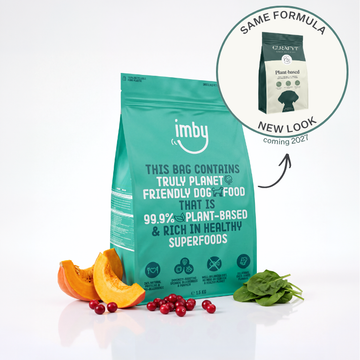
The IMBY range is free from the most common allergens and formulated for dogs with sensitive stomachs. A healthier baseline makes every transition easier.
Browse the IMBY rangeShare