




























Coton de Tulear: history, character and care
 by Nicolas Bartholomeeusen on Jun 14 2026· 7 min read
Key takeaways
- The Coton de Tulear's soft, cotton-like coat is hypoallergenic, making it a workable option for allergy-prone households.
- Daily brushing with a metal pin brush and occasional detangling spray keeps the coat free of mats.
- Regular vet checks catch this breed's most common conditions early, including hip dysplasia, patella luxation, PRA and dental disease.
- Two 20 to 30 minute walks plus indoor play cover this breed's exercise needs without demanding a large yard.
The Coton de Tulear is a charming, small breed of dog that originates from the island of Madagascar. Known for its affectionate nature, sociable behaviour and soft, cotton-like coat, this dog has won the hearts of dog owners all over the world. In this article, we cover everything you need to know about this breed, from its history and physical characteristics to its temperament, grooming needs, diet and health. Perfect for prospective owners, dog trainers, and even dog lovers who want to learn more about this special breed.
Size: 22–28 cm
Weight: 4–6 kg
Temperament: Cheerful, playful, people-oriented
Coat: Long, cotton-like, white or light-coloured
Origin: Madagascar
FCI Breed Group: Group 9 – Companion Dogs
Life expectancy: 14–16 years
What is the history of the Coton de Tulear?
Origin of the breed
The Coton de Tulear originates from Madagascar and takes its name from the port city of Tulear (now called Toliara). The breed probably originated in the 16th century, when small white dogs such as Bichons and Lion Dogs were shipwrecked and ended up on the island. These dogs interbred with native breeds, which eventually led to the development of the Coton de Tulear.
Royal Status
The Coton de Tulear quickly became the favourite companion dog of the Malagasy nobility and was known as the 'Royal Dog of Madagascar'. This status ensured that the breed remained exclusive and was protected from crossbreeding with other dogs.
Modern Recognition
In the 1970s, the breed was officially recognised by the Fédération Cynologique Internationale (FCI), after which it gained international renown.
What is the character and temperament of the Coton de Tuléar?
Social and Playful Nature
The Coton de Tulear is known for its affectionate, friendly and playful nature. They love being with their family, adore attention and have a clownish personality. Cotons will often follow their owner around like a shadow.
Intelligence and Trainability
They are intelligent and trainable, provided training is based on rewards and positive reinforcement. Harsh methods are not recommended, as Cotons are sensitive to negative feedback.
Socialisation and Separation Anxiety
Although they generally get on well with other animals and children, Cotons need early socialisation. They can suffer from separation anxiety if left alone for long periods.
What are the physical characteristics of the Coton de Tulear?
Height and Weight
- Male: 26 to 28 cm tall and 4 to 6 kg in weight.
- Female: 23 to 25 cm tall and 3.5 to 5 kg in weight.
Head and Body
- Head: Slightly rounded with a well-proportioned skull and large, expressive eyes.
- Body: Compact and muscular with a straight back and deep chest.
Coat and Colour
- Coat: Their soft, cotton-like coat is medium to long and hypoallergenic.
- Colour: White is the standard colour, sometimes with light shades of grey, black or champagne, particularly around the ears.
How do you care for a Coton de Tulear's coat?
Daily Coat Care
- Brushing: Daily brushing is recommended to prevent tangles. Use a metal pin brush without nubs and a fine-toothed comb for sensitive areas such as behind the ears and around the legs.
- Detangling Spray: A detangling spray can be useful for painlessly removing knots.
Bathing and Hygiene
- Frequency: Bathing every two to three weeks is sufficient. Use a mild, dog-friendly shampoo to preserve the natural oils in their coat.
- Nail and Dental Care: Trim their nails monthly and brush their teeth daily to prevent dental problems.
How does a Coton de Tulear behave towards other dogs?
The Coton de Tulear is naturally sociable and tends to get on well with other dogs.
- Friendliness: They are friendly and curious, which leads to positive interactions in dog parks or during walks.
- Socialisation: Early exposure to other dogs reinforces this natural friendliness. Regular interaction remains important, even in adulthood.
What are the ideal living conditions for a Coton de Tulear?
- Homes: Thanks to their small size, Cotons are perfect for flats, but they also feel at home in larger houses with a garden.
- Outdoor space: A fenced garden is an added bonus, although they thrive indoors as active companions.
- Companionship: Living arrangements where owners spend a lot of time at home are ideal, as Cotons do not like being left alone.
What are the most common health issues in this breed?
Although the Coton de Tulear is generally a healthy breed, there are some hereditary health issues:
- Hip dysplasia, a heritable joint condition tracked across breeds by health registries such as the Orthopedic Foundation for Animals [1].
- Patella luxation (loose kneecaps), which is far more common in small breeds than in large ones [2].
- Eye problems, such as cataracts and Progressive Retinal Atrophy (PRA), an inherited condition that gradually causes vision loss [3].
- Allergies: Both food and environmental allergies are possible.
- Dental problems: Small breeds are more prone to tartar build-up and gum disease [4].
Good to know
A 2021 UK study of over 22,000 dogs found that those weighing under 10 kg had more than three times the odds of periodontal disease compared with larger dogs [4]. Since an adult Coton de Tulear typically weighs just 4 to 6 kg, daily brushing and regular dental checks are well worth the effort.
Regular veterinary check-ups and a good breeding history can help prevent many of these problems.
How long does the Coton de Tulear live?
The average life expectancy of a Coton de Tulear is 14 to 16 years, although some can even reach 18 years with the right care and nutrition.
What is the cost of a Coton de Tulear?
Purchase price
The price for a Coton de Tulear puppy is usually between €1,200 and €3,000, depending on the breeder, pedigree and location.
Annual costs
- Nutrition: €100 to €250 per year.
- Grooming: €300 to €500 per year, including professional grooming sessions.
- Veterinarian: Expect to pay €200 to €400 for standard care.
What kind of diet does a Coton de Tulear need?
- High-quality dog food: Choose food rich in protein such as chicken, turkey or salmon.
- Portion size: On average 150–250 grams per day, depending on age, weight and activity level.
- Supplements: Omega fatty acids and glucosamine support the coat and joints respectively.
Do Cotons need a lot of exercise?
- Walks: Two walks of 20–30 minutes per day are sufficient.
- Playtime: Indoor activities such as fetch or finding toys are ideal for stimulating them mentally.
- Training: They respond well to obedience training due to their intelligence and eagerness to learn.
What are some nice names for a Coton de Tulear?
Here are some original suggestions:
- Female: Lacey, Fleur, Lola, Willow.
- Male: Max, Pierre, Oliver, Bruno.
- White-inspired: Snowball, Marshmallow, Ivory.
- French names: Sophie, Amélie, Henri, Maurice.
The Coton de Tulear is not only a joy to live with, but also boasts a rich history and a range of personality traits that make it an ideal pet. Whether you're looking for a companion dog or a loyal furry friend, the Coton de Tulear is a wonderful choice.
References
[1] Keller GG, Dziuk E, Bell JS. "How the Orthopedic Foundation for Animals (OFA) is tackling inherited disorders in the USA: using hip and elbow dysplasia as examples." The Veterinary Journal. 2011;189(2):197-202. https://pubmed.ncbi.nlm.nih.gov/21741865/
[2] O'Neill DG, Meeson RL, Sheridan A, Church DB, Brodbelt DC. "The epidemiology of patellar luxation in dogs attending primary-care veterinary practices in England." Canine Genetics and Epidemiology. 2016;3:4. https://pmc.ncbi.nlm.nih.gov/articles/PMC4898461/
[3] Cornell University College of Veterinary Medicine, Riney Canine Health Center. "Progressive Retinal Atrophy." https://www.vet.cornell.edu/departments-centers-and-institutes/riney-canine-health-center/canine-health-topics/progressive-retinal-atrophy
[4] O'Neill DG, Mitchell CE, Humphrey J, Church DB, Brodbelt DC, Pegram C. "Epidemiology of periodontal disease in dogs in the UK primary-care veterinary setting." Journal of Small Animal Practice. 2021;62(12):1051-1061. https://pmc.ncbi.nlm.nih.gov/articles/PMC9291557/
Support their joints as they age
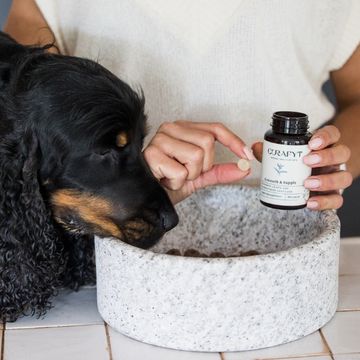
Small-breed joints like a Coton de Tulear's benefit from extra support, especially given this breed's risk of hip dysplasia and patella luxation.
Shop IMBY Hip & Joint SupplementShare