























Natural food supplements for dogs
 by Nicolas Bartholomeeusen on Jul 02 2026· 11 min read
Key takeaways
- Osteoarthritis affects roughly 2.5% of dogs annually, with risk climbing sharply in dogs over eight and in heavier or neutered animals, which is why joint supplements get so much attention.
- Omega-3 fatty acids (EPA and DHA) have some of the strongest clinical support of any joint supplement, helping dogs need lower doses of prescription anti-inflammatories and improving weight-bearing in arthritic dogs.
- Glucosamine and chondroitin can support cartilage metabolism, but a 2022 meta-analysis found little effect on objective pain measures, so they should not be relied on as primary pain management.
- Coat and skin issues often trace back to gaps in biotin, zinc, vitamin E, or essential fatty acids, and closing those gaps through diet or supplementation is usually simpler than chasing the problem after it appears.
Good nutrition does more than keep a dog fed. It determines whether joints stay supple, whether the coat stays dense and shiny, and whether inflammation runs high or low. Most commercial dog foods cover the basics. But for dogs dealing with specific issues, from stiff hips in a seven-year-old Labrador to a dull, flaking coat in a young adult, targeted supplementation can make a measurable difference. This article covers the evidence behind the most commonly used supplements for joint health and skin and coat quality.
Why supplements become relevant
Osteoarthritis is the most common joint disease diagnosed in veterinary practice. A UK population study of over 148,000 dogs found an annual prevalence of 2.5%, with risk rising sharply in dogs over eight years old, in heavier breeds, and in neutered animals [1]. Breed matters too: Labrador Retrievers carry a risk of elbow dysplasia 20.5 times higher than mixed-breed dogs [1]. These numbers make joint care one of the most practically relevant areas for supplementation.
Coat problems are often the first sign that something in the diet is off. Fatty acid deficiencies, zinc inadequacy, and low biotin status all show up in the skin and coat before other symptoms appear [2]. Supplementing to close these gaps is usually simpler than diagnosing the root cause after the fact.
Joint supplements: what the evidence actually says
The joint supplement market is crowded, and the research is genuinely mixed. Here is what the better-quality studies have found for each of the main ingredients.
Glucosamine and chondroitin sulphate
Glucosamine is a precursor to glycosaminoglycans, the structural molecules in joint cartilage. Chondroitin sulphate inhibits cartilage-degrading enzymes and provides structural elasticity to the cartilage matrix [3]. In lab studies, both compounds reduce pro-inflammatory cytokines including IL-1β, IL-6, and TNF-α [3].
Clinical results in dogs are more complicated. A randomised double-blind trial in 35 dogs with confirmed hip or elbow osteoarthritis found statistically significant improvements in pain, weight-bearing, and severity scores by day 70 [4]. A 2022 systematic review and meta-analysis, however, found a marked non-effect of glucosamine and chondroitin on objective pain measures and recommended that these products should no longer be recommended as primary pain management [5]. The honest summary: they may support cartilage metabolism, but expecting them to replace pain management is probably asking too much.
Worth knowing
A 2023 randomised controlled trial found that marine-based fatty acid compounds (PCSO-524) produced significantly greater improvements in peak vertical force in dogs with hip osteoarthritis than glucosamine/chondroitin alone [6]. Omega-3s currently have a stronger evidence base for pain reduction than glucosamine.
Omega-3 fatty acids (EPA and DHA)
Fish oil is one of the better-studied canine supplements. EPA and DHA work by competing with arachidonic acid in the inflammatory cascade, reducing the production of pro-inflammatory prostaglandins and cytokines including PGE2, IL-1, and IL-6 [7]. A multi-centre clinical study found that dogs with osteoarthritis fed a fish oil-supplemented diet required significantly lower doses of carprofen (a prescription anti-inflammatory) to achieve the same pain control, a clinically meaningful finding [8]. A separate study showed improved weight-bearing in arthritic dogs on an omega-3-enriched diet compared to controls [9].
For coat health, a randomised study of 24 dogs with poor coat quality found that 90 days of EPA/DHA supplementation (110 mg EPA, 68 mg DHA daily) produced significant reductions in clinical coat-disorder scores from day 60 onward [10].
Methylsulfonylmethane (MSM)
MSM is an organic sulphur compound used widely in both human and veterinary joint supplements. It is commonly included alongside glucosamine and chondroitin in canine formulations [11]. Human trials have found it effective at reducing pain associated with knee osteoarthritis [12], and in vitro studies show it enhances the chondrogenic differentiation of mesenchymal stem cells [13]. Dedicated canine clinical trials are thin on the ground. The anti-inflammatory rationale is plausible and the safety profile is well established, MSM is GRAS-approved and well-tolerated, but owners should treat it as a supporting ingredient rather than the headline.
Curcumin (from turmeric)
Curcumin, the active compound in turmeric, acts on multiple inflammatory pathways, including NF-κB signalling, COX-2, and 5-LOX enzyme activity [14]. In a randomised double-blind placebo-controlled trial in dogs with osteoarthritis, supplementation with curcuminoids extract produced significant decreases in pain scores, serum MMP-3, and TNF-α compared to placebo [15]. A follow-up study using curcumin combined with palmitoyl-glucosamine showed sustained pain relief and improved weight-bearing in the affected limb [16]. These are encouraging results, though sample sizes are small and more studies are needed.
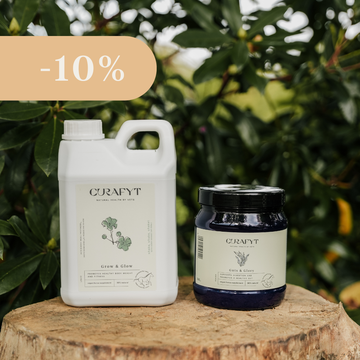
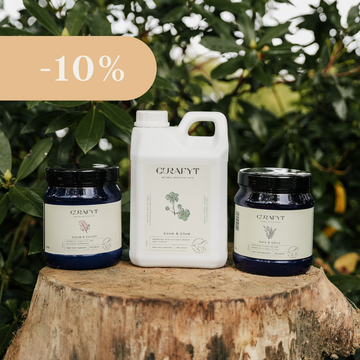
Restore & Revive Supplement
Turmeric-based daily supplement for joint support, gut health and recovery after exercise. Vet-formulated with curcumin.
Coat and skin supplements
A dull coat is not always a supplement problem. Parasites, thyroid issues, and allergies all cause coat changes that no supplement can fix. If the coat has deteriorated quickly or alongside other symptoms, a vet check comes before any supplementation.
That said, for dogs whose diet is nutritionally borderline or who have increased demands (due to growth, reproduction, or chronic stress), targeted nutrients can close real gaps.
Biotin (vitamin B7)
Biotin acts as a cofactor for enzymes involved in fatty acid synthesis, a process critical to skin barrier integrity. When biotin is deficient, long-chain fatty acid metabolism is impaired and the skin barrier weakens [2]. A clinical study by Frigg et al. found that biotin supplementation produced measurable improvement in skin conditions in dogs, with changes resolving after supplementation was introduced [17]. Biotin deficiency is uncommon in dogs fed complete commercial diets, but can occur in dogs fed raw egg white (which binds dietary biotin) or poor-quality food.
Omega-6 fatty acids (linoleic acid)
Dogs cannot synthesise linoleic acid endogenously and must obtain it through diet [18]. Linoleic acid is incorporated into skin ceramides and helps maintain the skin barrier. Research in dogs showed that a diet higher in linoleic acid increased linoleic acid content and free ceramide concentrations in the stratum corneum [19]. A separate study found that dietary oil supplementation altered the fatty acid profile of hair sebum, increasing unsaturated acids and improving coat quality [20].
Zinc
Zinc is essential for keratin synthesis, wound healing, and immune function in the skin. Dogs fed a zinc-deficient diet develop parakeratosis, alopecia, and skin ulceration, lesions that reversed completely within six weeks of zinc reintroduction [21]. Zinc-responsive dermatosis is a recognised clinical condition in dogs, particularly in northern breeds such as Siberian Huskies, where zinc absorption appears to be genetically impaired [22]. For most dogs on a balanced diet, zinc deficiency is unlikely. For those on homemade or grain-heavy diets, it is worth checking.
Vitamin E
Vitamin E is a fat-soluble antioxidant that quenches free radicals produced during lipid peroxidation, particularly in cell membranes [23]. Dogs with canine atopic dermatitis have significantly lower plasma vitamin E concentrations than healthy dogs [24]. An eight-week vitamin E supplementation trial in dogs with atopic dermatitis showed improvements in clinical scores alongside reductions in oxidative stress markers [24]. Vitamin E also modulates inflammatory signalling, which makes it relevant not just as an antioxidant but as an anti-inflammatory support.
Algae oil
Salmon doesn't make EPA and DHA. Algae does. Fish accumulate these fatty acids by eating algae and krill. Going straight to the source removes the middleman entirely. The coat evidence for marine EPA and DHA is solid: supplementation significantly increased total lipids on the hair shaft, improved coat character, and reduced pruritus and alopecia compared to controls in a controlled cross-over study [10].
Algae oil delivers those same fatty acids without the downsides of fish oil. No risk of heavy metal contamination. No animal proteins, which matters for dogs with fish sensitivities. More sustainable and without the strong smell some dogs refuse. For skin and coat support, algae oil matches salmon oil on effectiveness. For sensitive dogs, it is the cleaner option.
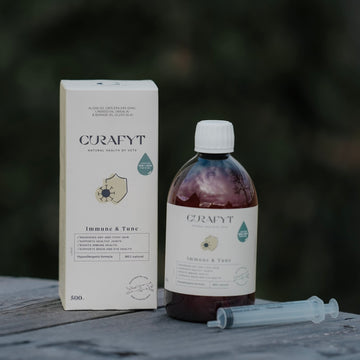
Immune & Tune Supplement
Plant-based omega-3 from algae oil for skin, joint health and immune resilience. Hypoallergenic alternative to salmon oil.
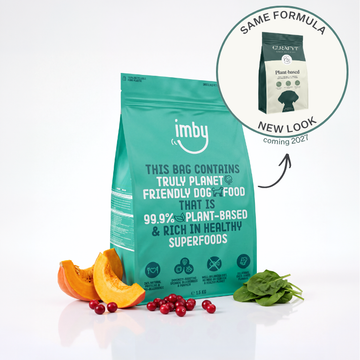
IMBY Allergy & Itch Supplement
Vet-formulated daily skin support for dogs with itch-prone skin. Helps support the skin barrier, immune balance and skin comfort from within.
How to use supplements well
A few principles apply regardless of which supplement you are considering.
Talk to your vet first
This is especially important if your dog is already on medication. Some supplements interact with drugs: omega-3s at high doses can affect platelet function, and curcumin can influence drug metabolism. A vet can also help confirm whether the symptom you are trying to address has a dietary cause at all.
Quality matters more than price
The supplement industry is minimally regulated in most markets. Third-party tested products from manufacturers who disclose sourcing, batch testing, and exact ingredient concentrations are worth paying more for. A cheap glucosamine supplement may contain far less active ingredient than the label claims.
Dose accurately and be patient
Follow the manufacturer's or veterinarian's dosing guidance. Fat-soluble nutrients including vitamins A, D, E, and K accumulate in tissue. Overdosing over weeks causes real harm. Water-soluble nutrients like biotin and vitamin C are more forgiving, but high doses still carry risk. Joint supplements in particular tend to require six to eight weeks before any clinical change is visible.
Watch for change in both directions
Track the symptoms you are trying to improve. If a supplement is not producing any observable change after eight to twelve weeks at the correct dose, it is probably not working for that dog. Not every supplement works for every individual.
Built for dogs that need more than a standard kibble
IMBY dog food is formulated with high-quality protein sources and a complete nutrient profile, so your dog's baseline is as solid as it can be before any supplementation comes into the picture.
Shop dog supplementsReferences
[1] Shoop, S. J. W., et al. (2019). Prevalence, duration and risk factors for appendicular osteoarthritis in a UK dog population under primary veterinary care. Scientific Reports, 9, 5629.
[2] Colombini, S., & Dunstan, R. W. (2020). Impact of nutritional supplementation on canine dermatological disorders. Veterinary Dermatology, 31(5), 329–349.
[3] Impellizeri, J. A., et al. (2017). Glucosamine and chondroitin use in canines for osteoarthritis: A review. Veterinary & Comparative Orthopaedics and Traumatology, 30(3), 164–171.
[4] McCarthy, G., et al. (2007). Randomised double-blind, positive-controlled trial to assess the efficacy of glucosamine/chondroitin sulfate for the treatment of dogs with osteoarthritis. Veterinary Journal, 174(1), 54–61.
[5] Belshaw, Z., et al. (2022). A 2022 systematic review and meta-analysis of enriched therapeutic diets and nutraceuticals in canine and feline osteoarthritis. BMC Veterinary Research, 18, 207.
[6] Gencoglu, H., et al. (2023). Marine-based fatty acid compounds vs glucosamine/chondroitin for hip osteoarthritis in dogs. Frontiers in Veterinary Science, 10.
[7] Barger, J. L., et al. (2008). Effects of dietary supplementation with fish oil on in vivo production of inflammatory mediators in clinically normal dogs. American Journal of Veterinary Research, 69(4), 486–493.
[8] Fritsch, D. A., et al. (2010). A multicenter study of the effect of dietary supplementation with fish oil omega-3 fatty acids on carprofen dosage in dogs with osteoarthritis. Journal of the American Veterinary Medical Association, 236(5), 535–539.
[9] Roush, J. K., et al. (2010). Evaluation of the effects of dietary supplementation with fish oil omega-3 fatty acids on weight bearing in dogs with osteoarthritis. Journal of the American Veterinary Medical Association, 236(1), 67–73.
[10] Popa, I., et al. (2021). Effects of an n-3 essential fatty acids supplement on clinical signs and fatty acid concentrations in hair shafts of dogs with poor quality coats. Journal of Animal Physiology and Animal Nutrition, 105(4), 699–710.
[11] Aragon, C. L., et al. (2007). Systematic review of clinical trials of treatments for osteoarthritis in dogs. Journal of the American Veterinary Medical Association, 230(4), 514–521.
[12] Withee, E. D., et al. (2017). Effects of MSM on exercise-induced muscle and joint pain: a pilot study.
[13] Lozano-Gerona, J., et al. (2021). Methylsulfonylmethane enhances MSC chondrogenic commitment. Cells, 10(6), 1396.
[14] Osere, E., et al. (2023). Turmeric and curcumin: health-promoting properties in humans versus dogs. Animals, 13(20), 3188.
[15] Comblain, F., et al. (2017). Curcuminoids extract in dogs with osteoarthritis: a randomized, double-blind, placebo-controlled study. BMC Veterinary Research, 13, 395.
[16] Gugliandolo, E., et al. (2022). Palmitoyl-glucosamine co-micronized with curcumin for maintenance of meloxicam-induced pain relief in dogs with osteoarthritis. Veterinary Sciences, 9(2), 63.
[17] Frigg, M., Schulze, J., & Volker, L. (1989). Clinical study on the effect of biotin on skin conditions in dogs. Schweizer Archiv für Tierheilkunde, 131(10), 621–625.
[18] Bauer, J. E. (2024). The balance of n-6 and n-3 fatty acids in canine, feline, and equine nutrition. Frontiers in Veterinary Science, 11.
[19] Watson, A. L., et al. (2018). Linoleate-enriched diet increases linoleic acid and free ceramides in canine stratum corneum. Lipids, 53(7), 727–738.
[20] Starek-Swiechowicz, B., et al. (2023). The effect of ethyl esters of linseed oil on the fatty acid profile of hair coat sebum in healthy dogs. Animals, 13(14), 2306.
[21] van den Broek, A. H., & Thoday, K. L. (1986). Tissue changes in dogs fed a zinc-deficient ration. Veterinary Record, 119(10), 247–248.
[22] White, S. D., et al. (2001). Zinc-responsive dermatosis in dogs: 41 cases and literature review. Veterinary Dermatology, 12(2), 101–109.
[23] Traber, M. G., & Atkinson, J. (2007). Vitamin E, antioxidant and nothing more. Free Radical Biology and Medicine, 43(1), 4–15.
[24] Plevnik Kapun, A., et al. (2014). Vitamin E supplementation in canine atopic dermatitis. Veterinary Record, 175(22), 560.
Share