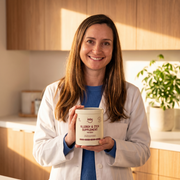
DAILY SKIN & ITCH SUPPORT CHEW FOR DOGS

IMBY Allergy & Itch Supplement

CALMER SKIN & LESS ITCHING

Vet-formulated daily skin support for dogs with itch-prone skin and environmental sensitivities, helping support the skin barrier, immune balance and skin comfort from within.

✔ Supports dogs prone to itching, licking and irritation
✔ Helps maintain a strong and healthy skin barrier
✔ Supports balanced immune function in sensitive dogs
✔ Helps support skin comfort through the gut-skin axis
✔ Suitable for daily use

For dogs with seasonal skin sensitivity, itching, licking, irritated skin, and dogs where skin issues and digestion often go hand in hand.

€34,95

Size
  • American Express
  • Apple Pay
  • Bancontact
  • Google Pay
  • iDEAL Wero
  • Klarna
  • Maestro
  • Mastercard
  • PayPal
  • Shop Pay
  • Union Pay
  • Visa

🔒 All transactions secure and encrypted

Free shipping on supplement orders €80+. Estimated delivery 04 June - 09 June. Order within .

Potato product • Fava bean flour • Glycerin • Molasses • Pea flour • Vegetable oil

Colostrum, 20.000mg
Algae oil, 10.000mg
Inactivated yeast, 15.000mg
Phosphorus, 5.000mg
Cranberry, 5.000mg
Calcium carbonate
Sophora japonica, 9.333mg
Evening primrose oil, 2.500mg
Lactobacillus helveticus HA122, 530.000.000 CFU/g

Additives

Vitamin A • retinyl acetate (3a672a), 156.250 IE
Vitamin D3 • cholecalciferol (3a671), 16.875 IE
Vitamin E • allracalphatocopheryl acetate (3a700i), 938mg
Zinc chelate of glycine hydrate (solid) • Zinc (3b607), 1.875mg
LGlutamine (3c451), 12.500mg
Potassium sorbate (1k202), 3.000mg
Echinacea purpurea extract (2b), 5.000mg
Bacillus subtilis C3102 (DSM 15544) (4b1820), 343.750.000 CFU/g
Enterococcus faecium NCIMB 10415 (4b1705), 343.750.000 CFU/g

Analytical Constituents

Crude protein, 2.84%
Crude fat, 5.66%
Crude ash, 4.90%
Crude fibre, 0.65%
Natrium, 0.00%

Small dogs (< 10 kg), 1 chew
Medium dogs (10 to 20 kg), 2 chews
Large dogs (21 to 30 kg), 3 chews
Extra large dogs (>30 kg), 4 chews

IMBY Allergy & Itch Supplement

€34,95

€34,95

  • Trusted by 20.000+ dogs
  • Recommended by 850+ vets
  • No fillers or binders
  • Made in Belgium
Reviewed by a veterinarian
Allergy & Itch is a smart formula for dogs with itchy skin because it supports more than just the visible symptoms. By combining skin support with gut and immune support, it helps promote healthier skin in the long run.
Valérie De ClerckDVMCurafyt

when to use

Allergy & Itch Supplement is an ideal daily support for ...

  • Dogs with poor stool quality and sensitive digestion

    Dogs with poor stool quality and sensitive digestion

    Dogs prone to allergies often have sensitive digestive systems, poor stool quality, and occasional stomach upset.

  • Dogs prone to paw licking

    Dogs prone to paw licking

    A gentle daily supplement for dogs that often lick their paws or show signs of seasonal skin sensitivity.

  • Dogs with itchy, sensitive skin

    Dogs with itchy, sensitive skin

    Supports skin comfort in dogs that scratch, lick or rub more than usual.

CALMER SKIN STARTS IN THE GUT AND IMMUNE SYSTEM

How Allergy & Itch works

Itching is not only a skin issue. It is also linked to immune balance, the gut barrier and how reactive the body becomes to environmental triggers. Imby Allergy & Itch takes a broader approach by supporting the skin, the gut and the immune system at the same time.

It works through 4 connected pathways:

1. The gut barrier
L-glutamine helps support the intestinal wall and barrier, which matters because gut health and skin reactivity are closely linked.

2. Gut flora and microbiome balance
Probiotic strains help support a healthier gut environment and reduce pressure from within.

3. Immune balance
Colostrum, echinacea and postbiotics help support natural defences and a more balanced immune response.

4. Skin comfort
Ingredients such as quercetin, sophora and vitamin E help support the body’s normal response to itching, irritation and oxidative skin stress.

The result is a dog that feels calmer in the skin, better supported from within, and more resilient during periods of environmental sensitivity.

What to expect

With consistent daily use

Daily skin barrier, gut-skin axis and immune balance support

  1. DAYS 1 – 7

    Gut-skin axis support begins

    Probiotics (Bacillus subtilis, E. faecium, L. helveticus) begin colonising the gut. L-glutamine and apple pectin support intestinal barrier integrity — the foundation of the gut-skin axis. Ginger contributes to a comfortable digestive environment from day one.

  2. WEEKS 2 – 4

    Skin-supportive fatty acids integrate

    Evening primrose oil (GLA to DGLA) and algae oil (EPA+DHA) begin incorporating into skin cell membranes, supporting the skin barrier and contributing to normal inflammatory balance. Zinc and vitamin D3 support normal immune function. (Ref: Ziboh, 2000; Bauer, 2011)

  3. WEEKS 4 – 6

    Skin barrier & comfort improve

    As the microbiome stabilises and fatty acid levels build in skin cells, the skin barrier is better supported. Reduced itching, licking and skin irritation are commonly noticed in this window. Colostrum contributes to immune maturation.

  4. WEEKS 6 – 12

    Immune balance & skin comfort

    Full EPA+DHA membrane integration is established at 6–12 weeks (Bauer, 2011). Skin comfort and immune balance are maintained with continued daily use. Ideal for long-term support in dogs with environmental sensitivities or seasonal skin changes.

SEEING IS BELIEVING

Real Stories. Real Results.

BEFORE
AFTER

Bob

"I'm so happy to have found these allergy chews! Once I started my dog on the chews, his swelling went down and he wasn't itching/scratching at his eyes as much.”

100%

of customers are seeing less itching and skin irritation, with their dog feeling more comfortable and settled in daily life.


* Based on current trustpilot review score

Key Ingredients

Nature holds the power. Science unlocks it.

Every ingredient is chosen based on documented mechanisms of action and peer-reviewed evidence. Select a compound below to go deeper.

L-Glutamine

L-Glutamine

L-glutamine is a conditionally essential amino acid that plays an important role in cellular metabolism and tissue maintenance. It is one of the most abundant amino acids in the body and serves as a key fuel source for rapidly dividing cells, including intestinal epithelial cells and immune cells.

In muscle tissue, glutamine participates in nitrogen transport and amino acid metabolism, processes that are involved in muscle protein turnover and recovery following physical activity. Because of this role in cellular metabolism, glutamine is commonly studied in relation to exercise, recovery, and metabolic support.

Glutamine also contributes to maintaining the integrity of the intestinal barrier, as intestinal cells rely on it as an energy source. For this reason, it is often included in nutritional strategies aimed at supporting both digestive health and overall physiological resilience (M. I. Lindinger, 2020).

Primary benefit

Cellular recovery and metabolic support

Colostrum

Colostrum

Colostrum contains immunoglobulins and growth factors that can support the gutlining and immune defenses. In dogs, published research has explored its influence on immune function during longer-term feeding, which is why it is often positioned for digestive and immune resilience. It is supportive nutrition, not a substitute for investigating chronic diarrhea, weight loss, or suspected allergies (Satyaraj; 2013; Beynen, 2013; DuBourdieu, 2019).

Source

Ireland

Primary benefit

Gut barrier

Part of the plant

First milk (dairy fraction)

L. helveticus

Lactobacillus helveticus

Lactobacillus helveticus is a probiotic bacterium commonly used in nutritional formulations to support the balance of the intestinal microbiome. A healthy microbiome plays an important role in digestion, immune signaling, and metabolic stability.

Research increasingly highlights the connection between gut health and skin health, often referred to as the gut–skin axis. Maintaining a balanced gut microbiota can therefore contribute to overall immune balance and support normal skin function.

For this reason, probiotic strains such as Lactobacillus helveticus are sometimes included in nutritional strategies aimed at supporting digestive health and maintaining a balanced immune response in animals with sensitive skin (Duysburgh, 2025).

Primary benefit

Gut microbiome support

Part of the plant

Bacterial culture

Algae oil (DHA-rich)

Algae oil

Algal oil is a sustainable, traceable source of omega-3s, naturally rich in DHA and often EPA, and it supports the body’s healthy inflammatory balance. 

  • Joint health: Omega-3s help keep the normal inflammatory response in check, which can support more comfortable movement and recovery after exercise. 
  • Skin and coat: DHA and EPA support the skin barrier, helping reduce dryness and supporting a softer, shinier coat, especially in animals prone to flaky skin or seasonal itchiness. 
  • Lung health: Omega-3s can support respiratory comfort by helping maintain a balanced inflammatory response in the airways, which is relevant for pets that react to dust, pollen, or environmental triggers. 

Because algal oil delivers omega-3s in a consistent way, it is a practical alternative to fish oil for long-term daily support of joints, skin, and respiratory resilience (ScienceDirect). 

Source

France

Primary benefit

DHA omega-3

Part of the plant

Whole plant

Cranberry

Vaccinium macrocarpon

Cranberry is used to support urinary tract health in dogs and cats because it contains proanthocyanidins (often called PACs) that can make it harder for certain bacteria, especially E. coli, to stick to the bladder wall. When bacteria cannot attach as easily, they are more likely to be flushed out during normal urination. This is why cranberry is mainly positioned for prevention support in pets that are prone to recurring urinary issues, not as a stand-alone solution for an active infection. 

In practice, cranberry works best as part of a broader urinary plan, alongside good hydration and regular toilet breaks for dogs. It should not replace veterinary care if a pet shows signs of a UTI such as frequent urination, straining, accidents, blood in the urine, pain, or lethargy. Cats in particular can have urinary problems that are not bacterial (for example stress-related inflammation), so getting the right diagnosis matters. Chou HI et al., 2016, Olby et al., 2006 

Source

USA / Canada

Primary benefit

Urinary support

Part of the plant

Fruit (berry)

Zinc

Zinc

Zinc is an essential trace mineral involved in hundreds of enzymatic reactions throughout the body. It plays a key role in cellular metabolism, immune function, and tissue maintenance.

In the skin, zinc contributes to normal cell turnover and supports the structural integrity of skin tissues. Adequate zinc intake is therefore important for maintaining healthy skin and coat condition.(Schwartz et. al., 2006; Glutsch et. al., 2019).

Zinc is also involved in immune system activity and antioxidant defense mechanisms that help protect tissues from oxidative stress. Because of these roles, zinc is commonly included in pet nutrition to support immune balance, skin health, and overall physiological function (Animals, 2021).

Primary benefit

Skin, immune, and coat support

Evening primrose oil

Oenothera biennis

Evening primrose oil is a plant-derived oil known for its high content of gamma-linolenic acid (GLA), an omega-6 fatty acid involved in skin barrier metabolism. GLA plays a role in maintaining the structure and function of skin lipids that help protect the skin from environmental stressors (Veterinary Herbal Medicine, 2007).

In dogs with sensitive or reactive skin, maintaining adequate fatty acid intake can contribute to supporting the natural protective function of the skin barrier. Healthy skin lipids help maintain moisture and support normal skin comfort.

Because of its fatty acid composition, evening primrose oil is often included in nutritional strategies aimed at supporting skin condition and coat quality in animals with sensitive skin. Verhelst, 2025

Source

Europe / North America

Primary benefit

Skin barrier support

Part of the plant

Seeds (oil)

Peas (yellow/green peas)

Pisum sativum

Peas are widely used in animal nutrition as a plant-based protein and fiber source. Their protein can be highly digestible depending on processing, and peas can also contribute fermentable fiber that supports normal stool quality. Wang et al., 2022

Source

France

Primary benefit

Plant protein

Part of the plant

Seeds

Brewer’s yeast (inactive)

Saccharomyces cerevisiae

Brewer’s yeast (Saccharomyces cerevisiae) is a functional yeast ingredient naturally rich in nutrients and yeast-derived compounds such as beta-glucans, mannan-oligosaccharides, and fermentation metabolites. These components are studied for their role in supporting digestive health, immune function, and overall wellbeing in dogs.

In canine studies, Saccharomyces cerevisiae products have been shown to positively influence the gut microbiota, including increased beneficial bacteria such as Bifidobacterium, while also supporting immune markers and normal inflammatory balance.

Research in dogs also links Saccharomyces cerevisiae fermentation products to skin and coat support, including effects on skin sebum, antioxidant status, and immune responses. This makes brewer’s yeast especially relevant in formulations aimed at supporting gut health, skin resilience, and coat quality (Jouany et al., 2009; Davenport, 2023; Lin, 2019; Wilson, 2022).

Source

Belgium

Primary benefit

Gut, skin, and immune support

Part of the plant

Yeast biomass

Vitamin D3

Cholecalciferol

Vitamin D3 (cholecalciferol) is a fat-soluble vitamin that plays an essential role in regulating calcium and phosphorus metabolism. These minerals are important for maintaining normal bone formation and overall structural support.

Beyond its role in mineral metabolism, vitamin D3 also contributes to immune system regulation. Immune cells contain vitamin D receptors, and adequate vitamin D levels support normal immune responses and physiological balance.

Vitamin D is also involved in cellular growth and differentiation, including in tissues such as the skin. These processes contribute to maintaining skin integrity and overall tissue health.

Because of its role in immune function, skin health, and metabolic balance, vitamin D3 is commonly included in nutritional formulations designed to support overall wellbeing and resilience in dogs (Chrobak-Chmiel, 2023; Dogru, 2017; Hattangdi-Haridas, 2019; Mostafa, 2015).

Primary benefit

Immune, skin, and metabolic support

Bacillus subtilis

Bacillus subtilis

Bacillus subtilis is a spore-forming probiotic bacterium that is valued for its stability and ability to survive harsh conditions such as stomach acid. Once in the digestive tract, it can contribute to maintaining a balanced gut microbiome.

This strain has been studied in animal nutrition for its role in supporting digestive function, including its interaction with gut bacteria and its contribution to a stable intestinal environment. A balanced microbiome is important for nutrient digestion and overall gut health.

Because of its resilience and activity in the gut, Bacillus subtilis is often used to support digestive stability and maintain normal stool quality in dogs with sensitive digestion (ScienceDirect, 2020; Portella Félix; 2010).

Primary benefit

Digestive stability and microbiome support

E. faecium

Enterococcus faecium

Enterococcus faecium is a probiotic bacterium commonly used in animal nutrition to support the balance of the gut microbiome. It contributes to maintaining a stable population of beneficial bacteria in the digestive tract.

A balanced microbiome plays an important role in digestion, as it helps break down nutrients and supports the normal function of the intestinal environment. In dogs, supplementation with E. faecium has been studied for its effects on gut health, including improvements in microbial balance and digestive stability (Bybee et al., 2011; Microorganisms, 2022).

By supporting the intestinal environment, this probiotic strain can contribute to maintaining normal stool quality and overall digestive comfort, especially in animals with sensitive digestion (Benyacoub et al., 2003).

Primary benefit

Gut microbiome and digestive support

Vitamin E

Natural Vitamin E

Vitamin E (D-alpha-tocopherol) is an essential fat-soluble antioxidant that helps protect cell membranes from oxidative stress. Because these membranes are rich in fatty acids, they are particularly sensitive to oxidative damage, making antioxidant protection important for normal cellular function (ScienceDirect, 2014).

Vitamin E plays an important role in maintaining muscle cell integrity and supports normal nerve function. It also contributes to immune function and helps maintain healthy tissues such as skin and coat (Fagan, 2018).

Horses naturally obtain vitamin E from fresh grass, but intake can be limited when pasture access is restricted, making additional supply relevant (University of California, 2019).

Vitamin E can occur in different forms (tocopherols), each with specific antioxidant properties. A combination of these forms provides broader antioxidant support compared to a single form alone. As a fat-soluble vitamin, delivering vitamin E in an oil-based form supports its natural absorption (Quigley, 2021).

Primary benefit

Antioxidant support for cellular, muscle, and immune health

Pectin

Pectin

Apple (Malus domestica) is a natural source of pectin, a soluble fiber known for its role in supporting digestive health. Pectin forms a gel-like structure in the gut, which helps regulate intestinal transit and contributes to normal stool consistency.

As a fermentable fiber, pectin serves as a substrate for beneficial gut bacteria. This supports a balanced microbiome, which plays an important role in digestion, nutrient absorption, and overall gut health.

The gut and nervous system are closely connected through the gut–brain axis. Supporting a stable gut environment can therefore contribute to overall wellbeing and a more balanced response to everyday stressors. This makes pectin relevant not only for digestive support but also as part of a broader approach to maintaining calm and comfort in sensitive animals (Wikiera, 2014; Zaitseva, 2020).

Source

Europe

Primary benefit

Gut balance and digestive comfort

Part of the plant

Fruit

Ginger

Zingiber officinale

Ginger (Zingiber officinale) is a botanical root widely used in nutritional and herbal formulations for its bioactive compounds, including gingerols and shogaols. These compounds have been studied for their role in supporting digestive and metabolic processes.

In the digestive system, ginger is associated with supporting normal gastric activity and digestive comfort. A well-functioning digestive system is important for nutrient absorption and maintaining a balanced gut environment, which is especially relevant for animals with sensitive digestion.

Ginger is also linked to processes involved in bile production and flow. Bile plays a key role in digestion and contributes to the processing of dietary fats and metabolic by-products. Supporting these natural processes helps maintain normal liver and digestive function (Williams & Lamprecht, 2008; BenthamDirect).

Source

Southeast Asia

Primary benefit

Digestive and metabolic support

Part of the plant

Rhizome (root-like stem)

Calcium

Calcium

Calcium is an essential mineral that plays a key role in maintaining strong bones and overall structural support in the body. A healthy skeletal system is important for movement, stability, and joint function.

Beyond its role in bones, calcium is involved in muscle function and nerve signaling, helping support coordinated movement and normal physical activity.

Calcium also plays a role in normal cellular processes, including those involved in skin renewal and tissue maintenance. These processes contribute to maintaining healthy skin and overall physiological balance (Böswald, 2019; British Journal of Nutrition, 2011; Foods, 2025).

Primary benefit

Essential mineral that supports bone strength, muscle function, and overall physiological balance.

Potato

Solanum tuberosum

Potato (Solanum tuberosum) is a natural ingredient that provides a range of vitamins and minerals important for overall health. It contains nutrients such as vitamin C, potassium, and magnesium, which contribute to normal physiological processes in the body.

These nutrients play a role in maintaining cellular function, supporting the immune system, and contributing to normal muscle and nerve activity. Potassium and magnesium, for example, are involved in fluid balance and muscle function, while vitamin C supports antioxidant processes.

By supplying essential micronutrients, potato contributes to maintaining overall wellbeing and supports the body’s daily nutritional needs.

Source

Europe

Primary benefit

Vitamin and mineral support

Part of the plant

Tuber (root)

Echinacea

Echinacea purpurea

Echinacea (Echinacea purpurea) is a botanical rich in bioactive compounds such as polyphenols, alkylamides, and polysaccharides. These compounds have been studied for their antioxidant, immunomodulatory, and anti-inflammatory properties (Burlou-Nagy et al., 2022).

Through its interaction with the immune system, echinacea supports normal immune responses and contributes to maintaining overall physiological balance. A well-functioning immune system plays an important role in skin health, as it helps the body respond to external challenges.

Echinacea is also studied for its dermatological relevance, with research suggesting that its bioactive compounds contribute to maintaining skin condition and resilience. These combined properties make it a valuable ingredient in formulations aimed at supporting both immune function and skin health (Verhelst, 2025).

Source

North America

Primary benefit

Immune and skin support

Part of the plant

Aerial parts and roots

Japanese pagoda tree

Sophora japonica

Sophora japonica is a botanical rich in flavonoids such as rutin and quercetin. These compounds are known for their antioxidant properties and their role in supporting normal cellular function.

Antioxidants help protect cells from oxidative stress, which can affect skin condition and overall tissue health. Maintaining this balance is important for supporting skin integrity and resilience.

Flavonoids from Sophora japonica are also associated with supporting microcirculation and tissue health, contributing to maintaining healthy skin and coat condition (Health Supplements Future Forum, 2021; Food Frontiers, 2024).

Source

Asia

Primary benefit

Antioxidant and skin barrier support

Part of the plant

Flower buds

Vitamin B1

Thiamine

Vitamin B1 (thiamine) is a water-soluble vitamin involved in carbohydrate metabolism and energy production. It plays a key role in converting nutrients into usable energy, supporting overall vitality.

Thiamine is also important for normal nervous system function, as it supports nerve signaling and cellular communication. Proper nervous system function contributes to overall physiological balance and behaviour.

Because of its role in energy metabolism and nerve function, vitamin B1 contributes to maintaining general health and resilience in both dogs and horses (Curely, 2025).

Primary benefit

Energy and nervous system support

Vitamin B2

Riboflavin

Vitamin B2 (riboflavin) is a water-soluble vitamin involved in energy metabolism and cellular function. It acts as a cofactor in enzymatic reactions that help convert nutrients into energy.

Riboflavin also plays a role in maintaining healthy skin and supporting normal cellular turnover. These processes are important for preserving skin integrity and overall tissue health.

In addition, vitamin B2 contributes to antioxidant processes in the body, helping maintain cellular balance and supporting overall wellbeing (Curely, 2025).

Primary benefit

Skin and cellular energy support

Curafyt vs other supplements

Curafyt Other similar products
Veterinary-formulated
Hypoallergenic
Clinically studied ingredients
Standardised plant extracts
Transparent ingredient sourcing
No added sugar

FAQs

Product FAQs

A team of experts, led by our Co-Founder and Veterinarian Valérie De Clerck, together with a biochemist and a pharmacology expert.

We source ingredients from top-quality suppliers worldwide. Then we manufacture the final products in Belgium in ISO 22000, FCA (GMP+) and bio-certified facilities.

Up to 99% natural. Whenever we can, we choose natural ingredients. In the rare cases where a natural option is virtually impossible, we use a synthetic alternative.

Yes. Curafyt was founded by Veterinarian Valérie De Clerck and is now recommended by over 800 veterinarians. All our formulas are developed from real veterinary insights and in close co-development with vets, ensuring they are trusted and used in daily practice.

The recommended amount is 2 chews per 10 kg of body weight per day.

Allergy & Itch is designed for environmental allergies. Please note that this product contains colostrum, which is first milk from cows. In theory, this could cause a reaction in dogs that are sensitive to it, although we haven’t received customer feedback about this so far.

Yes, our supplements are developed so they can be given together.

A slightly higher amount of certain ingredients is not a problem, as the ingredients are natural and not aggressive.

Yes. Puppies can take our supplements, but it’s important to respect the recommended daily amount.

General FAQ's

Email us at info@curafyt.com or use the chat in the bottom-right corner of the page. We’ll get back to you ASAP.

Shipping FAQ's

Order on weekdays before 11:00 and we ship the same day. Order after 11:00 and we ship the next day. Weekends or holidays? Next business day it is.

Belgium (bpost): usually delivered in 1–3 business days.

Outside Belgium (DPD): usually delivered in 2–5 business days.

We offer free delivery on orders over €80 in Europe, as well as free delivery on all subscriptions. Otherwise shipping is €6.90.

Belgium. Made here, shipped from here.

Subscription FAQ's

Go to your account on our store and click “Manage subscriptions” to open the Customer Portal.

In the Customer Portal, click “Cancel”. Depending on settings, you might be asked for a reason before confirming.

Please visit our FAQ page