


Shop by goal
Daily vitamin and mineral balancer

Supplements
Shop all (17)










Bundles
Shop all (7)
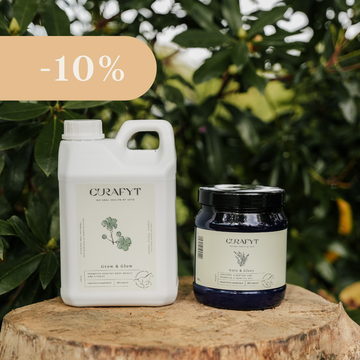


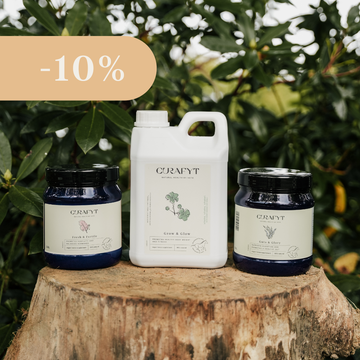
Bestsellers
Shop all (5)Foundation · every day
Targeted support
Daily supplements for the feed
Fitness and care


Reviews

AdviceBlog, measuring results, Clean Sport
ReviewsRiders, vets, video
Shop by goal


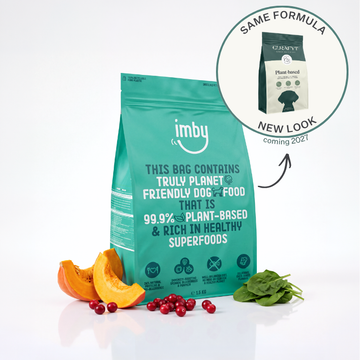
Supplements
Shop all (12)

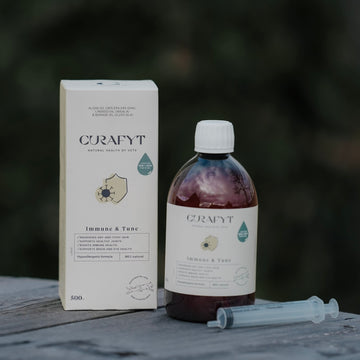
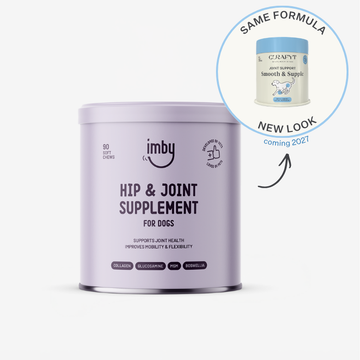
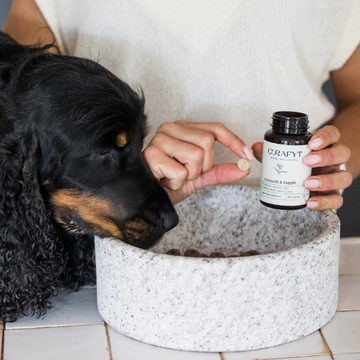





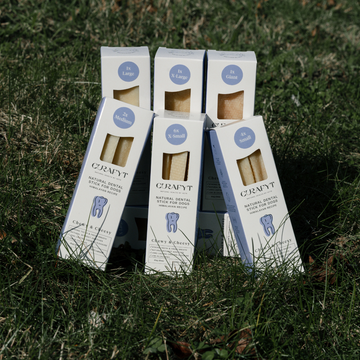

Bestsellers
Shop all (5)
AdviceBlog, hypoallergenic food, results, sustainability
ReviewsFrom dog owners


Science
About us



Quick view
Sort by:
2 products
2 products


METABOLIC AND HOOF SUPPORT
Plant-based, vet-formulated support for horses with sensitive hooves and metabolic imbalance. Designed to help maintain healthy sugar metabolism, circulation, and hoof integrity.
✔ Supports healthy glucose & insulin metabolism
✔ Helps maintain balanced cortisol & ACTH levels
✔ Promotes optimal liver function
✔ Supports healthy blood flow to the hooves
✔ Contributes to strong hoof structure & integrity
Ideal for horses with hoof sensitivity, cresty necks, weight challenges, or seasonal grass sensitivity.


DEVELOPED BY DR. SARA TORFS TO COMPLETE FORAGE-BASED DIETS
Developed by Dr. Sara Torfs, European equine internal medicine specialist, osteopath and PhD, ESTE Balancer (formerly Este Balancer Extra - Same formula) was created to help horses on forage-based diets get the nutrients they are often still missing for strong hooves, a healthy gut, a shinier coat and better overall condition.
✔ Completes the forage ration
✔ Supports digestive health
✔ Low sugar & starch formula
✔ Promotes hoof & coat quality
✔ Suitable for daily use
For horses and ponies on hay- or grass-based diets, easy keepers, horses on controlled rations, and horses needing extra daily nutritional support beyond forage alone.
Ready to transform your horse's health?
Explore our full range of natural supplements crafted specifically for your horse's needs.

Vitamins & Minerals Balancer

Natural supplements

Fitness & Care Products

Bundles 10% off

Merchandising
What Curafyt stands for

Nature, powered by science

Developed by vets

Real results
Trusted by professionals
Real testimonials from daily practice
Every Curafyt product is developed with and recommended by equine veterinarians.

Equine Veterinarian
Sigert Coffé
"I see Curafyt's natural supplements as an essential part of the overall approach for my sport horses, aimed at optimizing their performance and recovery. For top level athletes, every piece of the puzzle counts in care and guidance."
Sigert Coffé

Equine veterinarian
Lucas Troch
"I recommend Guts & Glory for horses experiencing weight loss and loose stools, to support a healthy gut and stomach. The results I see in practice are excellent."
Lucas Troch

Vet at Equismile
Kathelijne Deberdt
"I frequently use Steady & Stable for my chubby and senior patients to support their sugar metabolism and hooves, especially in spring and autumn when fructan levels spike."
Kathelijne Deberdt
FAQ
Your questions, answered by our vets
Can a natural supplement fix insulin resistance or EMS?
What actually helps a horse with EMS most?
Is Steady & Stable safe for a horse with EMS or a history of laminitis?
How do I know if my horse has EMS?
Science-backed advice from our veterinary team
Care starts with knowledge

Dull Coat, Slow Shedding, and the Vet Finds Nothing. Does Your Horse Need a Detox?

The Grass Really Is Greener in September. The Trap Nobody Warns You About

Is Alfalfa Bad for Horses? Eleven Objections, and the Two That Hold Up