


























Can dogs eat courgette? All about the benefits & risks
 by Nicolas Bartholomeeusen on Jun 14 2026· 4 min read
Key takeaways
- Courgette is safe for most dogs and offers real nutritional value, including vitamins A, C, K and B6 plus potassium and magnesium.
- Keep portions small and unseasoned. Skip oil, salt, garlic or onion, and stick to roughly 20 to 150 grams depending on your dog's size.
- Taste a piece before feeding it. A bitter flavor can signal toxic cucurbitacins, so avoid the courgette if it tastes bitter.
- Treat courgette as a supplement rather than a meal replacement, keeping it under 10 percent of your dog's daily food intake.
Courgette (also known as zucchini) is a popular vegetable in the kitchen. It is easy to digest, low in calories and rich in vitamins. But as a dog owner, you might be wondering: can dogs eat courgette?
The short answer is yes.[1] Dogs can eat courgette, and it can even be healthy for them, but there are a few important points to bear in mind.
Courgette is safe and healthy for dogs
Courgette is one of the safest vegetables you can give your dog.[2] It is low in calories, fat and sugar, making it an excellent addition to balanced nutrition.
Benefits of courgette for dogs:
Low in calories: ideal for dogs that need to lose weight or maintain their weight.
Rich in nutrients: contains vitamins A, C, K and B6, as well as minerals such as potassium and magnesium.[3]
Aids digestion: the high fibre content supports healthy gut function.
Hydrating: courgettes are more than 90% water, which helps maintain good hydration.
Courgette can therefore be a healthy, natural snack as a substitute for high-fat dog treats.
What to bear in mind when giving courgette to your dog
Although courgette is generally safe, there are a few important precautions to take.
1. Give it in small amounts
Too large a portion of high-fibre vegetables can lead to flatulence, diarrhoea or stomach ache. Start with small pieces to see how your dog reacts.
2. Avoid spices and oil
Courgette fried in oil or seasoned with salt, garlic or onion is not suitable for dogs. Always serve courgette plain and unseasoned: raw, steamed or lightly cooked.
3. Be careful with raw courgette
Raw courgette is usually safe, but some dogs find it harder to digest. If you notice your dog developing stomach problems, steam or boil the courgette briefly.
4. Avoid bitter courgettes
Courgettes belong to the cucumber family (Cucurbitaceae). In rare cases, certain specimens may contain natural bitter compounds (cucurbitacins) that are toxic.[4] Taste a small piece yourself: if it tastes bitter, do not give it to your dog.
How much courgette can a dog eat?
Courgette can be considered a supplementary snack or a healthy addition to a meal. A guideline by weight class:
Small dog: 1 to 2 pieces (approximately 20-30 grams)
Medium-sized dog: 3 to 4 pieces (approx. 50-80 grams)
Large dog: ½ to 1 small courgette (approx. 100-150 grams)
Courgette should never make up more than 10% of your dog's daily nutrition. The main meal must always be complete and balanced.
How to feed courgette to your dog
There are several ways to serve courgette safely:
Raw: in small cubes or slices, as a crunchy snack.
Steamed or boiled: softer and easier to digest, especially for dogs with a sensitive stomach.
Mixed with food: a little cooked courgette can easily be mixed into their daily kibble or wet food.
Ideally, combine courgette with easily digestible, hypoallergenic nutrition based on insects or plant-based proteins.
When it is best not to give courgette
Avoid courgette if:
your dog has stomach or intestinal problems and the veterinarian has prescribed a strict diet;
the courgette tastes bitter (this may indicate the presence of toxic substances);
your dog has an allergic reaction to new vegetables (rare, but possible).
A healthy vegetable, but not a substitute for nutrition
Although courgette is healthy, it is no substitute for complete dog nutrition. Complete nutrition contains all the essential nutrients, fatty acids, vitamins and minerals your dog needs on a daily basis.
Courgette can therefore form part of a healthy lifestyle, but only as a supplement, not as a staple.
Conclusion: can dogs eat courgette?
Yes, dogs can eat courgette. It is a safe, light and nutritious vegetable that offers real health benefits. As long as you offer it in small quantities and without seasoning or oil, courgette makes a responsible, healthy snack for your dog.
Tip from Imby
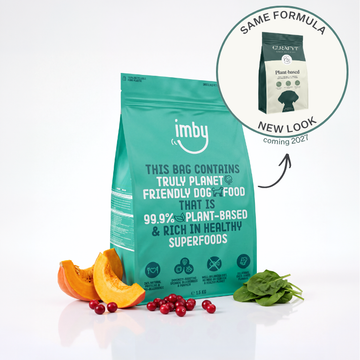
Want to reward your dog with a treat that's just as thoughtful? Discover Imby's Multipack Dog Snacks, a 100% natural, plant-based multipack for training, rewards and daily enrichment. It is easily digestible, hypoallergenic and better for the planet.
Looking for a healthier treat?
Courgette makes a nice extra, but if you want a ready-made option, explore Curafyt's dog snacks, built on real nutritional science.
Shop dog snacksReferences
[1] ASPCA, "Toxic and Non-Toxic Plants: Zucchini Squash"
[2] American Kennel Club, "Can Dogs Eat Zucchini?"
[3] Hill's Pet Nutrition, "Can My Dog Eat Cucumbers? What About Zucchini?"
[4] PetMD, "Can Dogs Eat Zucchini?"
Share