




























Lhasa Apso: history, character and care
 by Nicolas Bartholomeeusen on Jun 14 2026· 6 min read
Key takeaways
- The Lhasa Apso is a loyal, alert watchdog breed from Tibet that needs early socialisation to stay comfortable around strangers and other dogs.
- Their long coat needs daily brushing and professional grooming every 6 to 8 weeks to stay tangle-free and healthy.
- Watch for breed-linked eye conditions (PRA, cataracts, glaucoma), patellar luxation and skin allergies, and catch them early with regular vet checks.
- With good care, this small dog can live well into its teens, some reaching 18 to 20 years.
The Lhasa Apso is a remarkable little dog with a rich history, a distinctive appearance and a unique personality. Originally from Tibet, this breed has been prized for centuries as a guard dog for palaces and Buddhist monasteries. Today, this dog is known for its loyalty, vigilance and longevity. In this article, we cover the many sides of this breed, from character traits and physical characteristics to care, training and health needs.
Size: 25–28 cm
Weight: 5–8 kg
Temperament: Alert, headstrong, reserved towards strangers
Coat: Long, straight, silky soft
Origin: Tibet
FCI Breed Group: Group 9 – Companion Dogs
Life expectancy: 12–15 years
What is the origin of the Lhasa Apso?
The origins of the Lhasa Apso date back more than a thousand years to Tibet, where they were bred as guard dogs for palaces and sacred sites. Their name comes from the city of Lhasa, combined with the word 'Apso', which refers to the Tibetan term for small, shaggy dogs. These dogs symbolised good luck and were regarded as protectors against evil spirits. It was not until the early 20th century that they made their way to the West, first to England and then to the United States.
Historical Significance
- They served as inner guards whilst larger Tibetan Mastiffs guarded the outer walls.
- The spiritual leaders of Tibet regarded these dogs as a spiritual symbol and presented them as gifts to foreign dignitaries.
What are the character traits and temperament of a Lhasa Apso?
The character traits of a Lhasa Apso are varied: loyal, playful and intelligent, yet also independent. They form a deep bond with their family and can be aloof or wary of strangers.
Behaviour and Temperament
- Loyalty: They are extremely devoted to their family.
- Vigilance: Thanks to their history as watchdogs, they have keen hearing and a powerful bark.
- Intelligence: They are quick learners, though they can also be stubborn.
- Social Interaction: They are friendly with older children but may be inconsistent towards strangers and other animals without early socialisation.
Socialisation
Early socialisation is essential to reduce their natural reserve and potential dominance towards other dogs.
What are the physical characteristics of a Lhasa Apso?
The Lhasa Apso has a distinctive long coat, a compact build and a graceful appearance. They are small in size but sturdy.
Height and Weight
- Height: 25 to 28 cm.
- Weight: 5 to 8 kg, with males often being heavier.
Head and Body
- Head: Flat with a short muzzle and a well-defined stop.
- Eyes: Dark and oval, giving them an alert expression.
- Tail: Set high and carried proudly curled over the back.
Coat and Colour
- Coat: Long, straight and silky soft with a dense undercoat.
- Colours: Gold, honey, black, white, grey and combinations thereof.
How do you care for a Lhasa Apso's coat and hygiene?
The Lhasa Apso's long coat requires intensive care. Regular grooming is essential to prevent tangles and maintain its characteristic sheen.
Coat care
- Daily Brushing: Use a pin brush to prevent tangles.
- Professional Grooming: Every 6 to 8 weeks at a grooming salon.
- Short Styles: Consider a 'puppy cut' for easier maintenance.
Hygiene
- Eye Care: Trim the hair around the eyes and keep them clean to prevent infections.
- Bathing: Bathing every 2 to 4 weeks with mild shampoos is recommended.
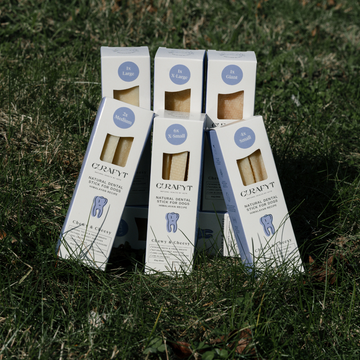
- Teeth brushing: At least once a week to prevent dental problems.
How does a Lhasa Apso behave with other dogs?
Although Lhasa Apsos are naturally reserved, proper socialisation can help them become friendlier towards other dogs.
Prevent Dominance
- They may display territorial or dominant behaviour, particularly towards dogs of the same sex.
- Socialisation from an early age reduces these tendencies.
Tips for Socialisation
- Exposure from an early age: Introduce them to other dogs gradually.
- Controlled encounters: Introduce them in neutral environments.
- Positive reinforcement: Reward friendly behaviour.
How do you train a Lhasa Apso?
Training a Lhasa Apso requires patience and consistency due to their stubborn nature. They are intelligent but not always compliant.
Training approach
- Positive Reinforcement: Use rewards and avoid harsh punishments.
- Routines: Establish clear rules and ensure consistency.
- Short Sessions: Keep training sessions short and fun.
Key Areas for Training
- Basic commands such as "sit" and "stay."
- House-training to prevent accidents.
- Reduce barking if it becomes a problem.
What are the ideal living conditions for a Lhasa Apso?
The Lhasa Apso is well suited to life in flats or houses, provided they receive sufficient mental and physical stimulation.
Minimum Requirements
- Play area: A safe indoor environment and a small garden are ideal.
- Temperature control: Protect them from extreme heat and cold.
- Social Interaction: They need daily companionship.
What health problems are common in Lhasa Apsos?
Lhasa Apsos are generally healthy dogs, but there are a few conditions you should be particularly aware of.
Common Health Problems
- Eye conditions: Progressive retinal atrophy, cataracts and glaucoma are all recognised in the breed [1][2][3].
- Patellar Luxation: A dislocated kneecap, a condition seen far more often in small and toy breeds than in larger dogs [1][4].
- Skin problems: Allergies and dermatitis, including canine atopic dermatitis, a condition Lhasa Apsos are recognised as being predisposed to [5].
- Dental problems: Tartar and gum inflammation.
Prevention
- Regular health checks.
- Nutrition tailored to specific needs.
- Good hygiene and care.
What is the life expectancy of a Lhasa Apso?
The average life expectancy of a Lhasa Apso is 12 to 15 years, but some individuals can even reach the age of 18 to 20 years. Good health and care contribute to a longer life.
Did you know?
While the breed average sits at 12 to 15 years, well-cared-for Lhasa Apsos have been known to reach 18 to 20 years, putting them among the longer-lived small dog breeds.
How much does a Lhasa Apso cost?
Purchase costs
- With pedigree: €1,200 to €2,000.
- Adoption costs: On average €300.
Annual costs
- Nutrition: €500–€900.
- Healthcare: €400–€700.
- Care: €400–€600.
Conclusion
The Lhasa Apso is a small dog with a big heart and a fascinating history. Whether you're drawn to their graceful appearance, their loyal temperament or their long life expectancy, this breed offers a wealth of love to the right owner. Ensure regular care, socialisation and a balanced diet to get the best out of your Lhasa Apso.
References
[1] PetMD. "Lhasa Apso Dog Breed Health and Care." https://www.petmd.com/dog/breeds/lhasa-apso
[2] American Lhasa Apso Club. "Glaucoma in the Lhasa Apso." https://lhasaapso.org/glaucoma-in-the-lhasa-apso/
[3] Ekenstedt KJ, et al. "A LINE-1 insertion situated in the promoter of IMPG2 is associated with autosomal recessive progressive retinal atrophy in Lhasa Apso dogs." https://www.ncbi.nlm.nih.gov/pmc/articles/PMC7487703/
[4] Merck Veterinary Manual. "Patellar Luxation in Dogs and Cats." https://www.merckvetmanual.com/musculoskeletal-system/arthropathies-and-related-disorders-in-small-animals/patellar-luxation-in-dogs-and-cats
[5] Merck Veterinary Manual. "Canine Atopic Dermatitis." https://www.merckvetmanual.com/integumentary-system/atopic-dermatitis/canine-atopic-dermatitis
Support your Lhasa Apso's joints
Small breeds like the Lhasa Apso can be prone to patellar luxation and joint wear over time. IMBY Hip & Joint Supplement is a vet-formulated daily chew that helps support flexible movement and healthy cartilage.
Shop IMBY Hip & Joint SupplementShare