
































Inflamed Gums in your Dog: Recognise and Treat
 by Nicolas Bartholomeeusen on Jun 14 2026· 5 min read
Key takeaways
- Watch for red, swollen, or bleeding gums, bad breath, and brown tartar buildup, since more than 80% of dogs over two already have some form of dental disease.
- Left untreated, gum inflammation can progress to periodontitis, causing tooth loss and even letting bacteria spread to the heart, liver, and kidneys.
- Daily brushing, dental sticks or chews, and a dry food diet all help slow plaque formation between vet visits.
- A professional cleaning under anaesthesia, sometimes including tartar removal or extractions, is the standard fix once plaque has hardened, so annual vet checks matter.
More than 80% of dogs over the age of two have some degree of dental disease, including inflamed gums, or gingivitis [1]. It starts with plaque and can progress to periodontitis, a serious and irreversible condition. Symptoms such as bad breath, red and swollen gums, and bleeding are all worth paying attention to. Left untreated, the inflammation causes pain and can contribute to problems in the heart, liver, and kidneys [2]. In this article: how to recognise gum inflammation in your dog, what causes it, which treatments actually help, and how to prevent it coming back.
How do you recognise inflamed gums in your dog?
A dog with inflamed gums often shows the following signs:
- Red and swollen gums: particularly at the gum line, sometimes with bleeding.
- Bad breath (halitosis): caused by bacterial build-up in dental plaque.
- Bleeding: traces of blood on toys or in the water bowl.
- Brown or yellow plaque and tartar: hardened plaque that has turned into tartar.
- Excessive drooling: often sticky, sometimes streaked with blood.
- Difficulty eating or chewing on one side: due to pain and sensitivity.
- Loose teeth: in severe cases of periodontitis.
Keep an eye out for these signs. Catching them early can prevent much bigger dental problems later on.
What do healthy gums look like?
Healthy gums in a dog are light pink, sit tight against the teeth, and show no swelling. Small pigmented patches are normal. Red edges or inflamed-looking areas are not, and usually mean gingivitis has already started.
What causes inflamed gums in dogs?
Gum inflammation in dogs is usually caused by plaque and tartar. Plaque is a layer of bacteria, saliva, and food debris that hardens into tartar if it isn't removed, and that hardened layer is what irritates and inflames the gum line. Other contributing factors include:
- Inadequate dental care: no regular brushing or dental chews.
- Poor nutrition: soft and wet food contribute to faster plaque build-up.
- Age: older dogs are more prone to dental problems.
- Breed predisposition: small breeds such as the Chihuahua, Maltese, and Yorkshire Terrier carry a higher risk, partly because their crowded teeth are harder to keep clean [3].
- Saliva production: dogs with low saliva production are more prone to dental problems.
If plaque and tartar are left untreated, inflamed gums can progress to periodontitis, where the jawbone and the tissue supporting the tooth break down. Left long enough, that means tooth loss.
What are the consequences of untreated gum inflammation?
Untreated gum inflammation can cause serious problems, including:
- Chronic pain and difficulty eating
- Tooth loss and dental deformities
- Systemic infections: bacteria can enter the bloodstream and reach organs such as the heart, liver, and kidneys [2]
Good to know
In dogs with heavier periodontal disease, tissue exams show measurably more damage in the kidneys and liver, not just worse breath [2]. Oral health is not a cosmetic issue.
How do you treat gum inflammation in your dog?
Treatment depends on how far the condition has progressed.
Professional treatment by a veterinarian
Once plaque or tartar has built up, a professional dental cleaning is necessary. This is carried out under anaesthesia and typically involves:
- Removal of tartar using ultrasonic equipment.
- Polishing the teeth to slow the formation of new plaque.
- Antibiotics or antiseptic rinses for severe bacterial infections.
- Extraction of teeth in cases of advanced periodontitis.
After a professional clean, it's the preventive care at home that keeps the problem from coming straight back.
Home care to combat gum inflammation
Alongside veterinary treatment, you can look after your dog's teeth at home by:
- Brushing their teeth daily with dog toothpaste and a soft brush. Daily brushing is the single most effective home habit for controlling plaque and gingivitis, more so than brushing only every few days [4].
- Using dental sticks or other chews designed to reduce plaque.
- Using antibacterial mouthwashes suitable for dogs.
- Adjusting their diet: dry food tends to contribute less to plaque build-up than wet food.
Regular home care won't undo advanced disease, but it can prevent early inflammation and slow further damage.
IMBY Plant-Based Dental Sticks
A vegetarian, low-calorie dental chew made for daily mechanical cleaning between brushings.
How can you prevent gum problems in your dog?
Prevention is what keeps you out of the vet's chair for the expensive stuff. A few measures make most of the difference:
- Brush your dog's teeth daily with a soft toothbrush and dog toothpaste.
- Use dental chews such as sticks and specially designed toys.
- Feed a dental-friendly diet of hard kibble or food formulated to reduce plaque.
- Have your dog's teeth checked annually by the veterinarian.
- Natural supplements such as coconut oil or chlorophyll may also help.
Which dental care products are most effective?
A few product categories help with preventive care:
| Product type | Effect | Recommended use |
|---|---|---|
| Toothpaste and toothbrush | Removes plaque and prevents inflammation | Daily brushing |
| Dental sticks and chew toys | Mechanical cleaning and saliva stimulation | 3–4 times a week |
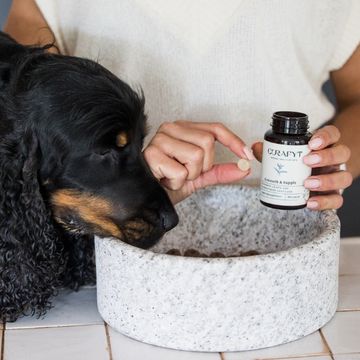
| Dietary supplements (e.g. seaweed powder) | Reduces plaque and bad breath | Mix into food daily |
| Mouthwashes for dogs | Kills bacteria and freshens breath | Add to drinking water every day |
These products support healthy teeth, but none of them replace regular brushing and professional check-ups.
Conclusion
Gum inflammation in dogs is common, and left untreated it can lead to pain, tooth loss, and health problems well beyond the mouth, including heart and kidney disease [2]. Catching the early signs (redness, bad breath, bleeding) matters. Regular professional cleaning, daily brushing, and the right diet remain the most reliable ways to prevent and treat it. Good oral hygiene isn't just about fresher breath. It adds up to a longer, more comfortable life for your dog.
Give your dog's teeth daily support
Daily brushing does the real work, but a dental stick makes the in-between days easier.
Shop dental sticksReferences
[1] Kyllar M, Witter K. Prevalence of dental disorders in pet dogs. Veterinarni Medicina. 2005;50(11):496-505.
[2] Pavlica Z, Petelin M, Juntes P, Erzen D, Crossley DA, Skaleric U. Periodontal disease burden and pathological changes in organs of dogs. Journal of Veterinary Dentistry. 2008;25(2):97-105.
[3] Wallis C, Saito EK, Salt C, Holcombe LJ, Desforges NG. Association of periodontal disease with breed size, breed, weight, and age in pure-bred client-owned dogs in the United States. The Veterinary Journal. 2021;275:105714.
[4] Harvey CE, Serfilippi L, Barnvos D. Effect of frequency of brushing teeth on plaque and calculus accumulation, and gingivitis in dogs. Journal of Veterinary Dentistry. 2015;32(1):16-21.
Share