
Our commitment to sustainability

By prioritizing the health of both animals and the planet, we're working towards a more sustainable future for all.

Every product we make is shaped by a responsibility to the animals we serve and the world they live in.

CO₂
Neutral office building
100%
Recyclable PET packaging
~96%
Lower GHG vs. beef protein
The future of pet nutrition

Why Insects Are the Most Sustainable Protein for Dogs

The pet food industry is one of the most resource-intensive in the world. Globally, pets consume roughly 20% of the world's meat, fish and conventional livestock production accounts for around 14.5% of all human-caused greenhouse gas emissions. As the population grows and climate pressures mount, we need a different approach.

Insect-based protein, primarily from Black Soldier Fly larvae (Hermetia illucens), is emerging as one of the most compelling solutions.

The science is clear: insects offer a nutritionally complete, highly digestible, and dramatically more planet-friendly protein source for dogs.

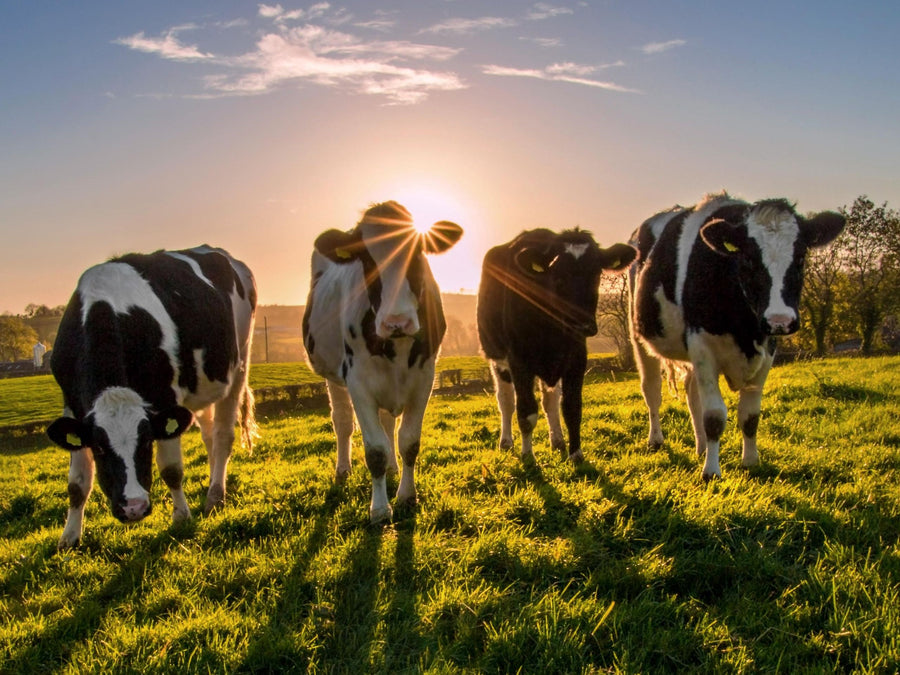
The environmental case

Compared to conventional beef-based pet food, insect protein requires a fraction of the land, water, and feed and produces a fraction of the waste.

Insects can also be raised on organic by-products and food waste streams, effectively converting low-value material into high-quality protein. This circular logic is rare in animal agriculture.
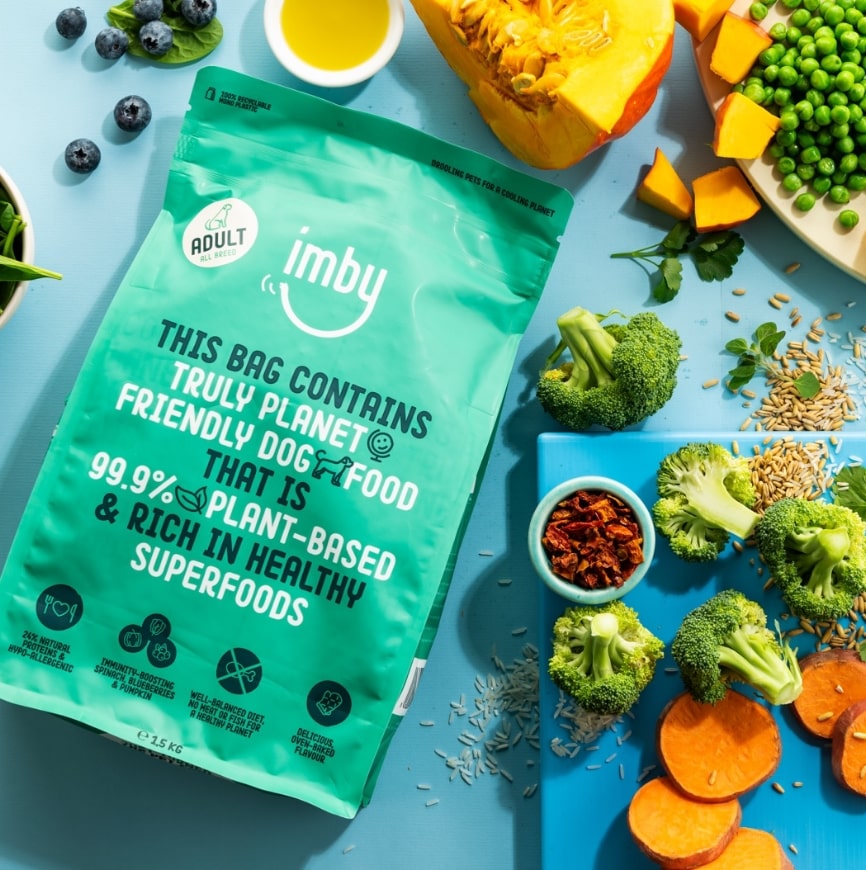
~92%
fewer greenhouse gas emissions vs. beef protein
~90%
less land use vs. cattle farming
<2%
of the water needed compared to beef
2 kg
of feed to produce 1 kg insect protein (vs. ~8 kg for beef)

The nutritional case

Dogs are omnivores with protein needs that can be fully met by insect-derived amino acid profiles. Black Soldier Fly larvae provide:

  • All essential amino acids dogs require for muscle maintenance and immune function
  • A digestibility rate comparable to chicken and fish meal
  • Natural anti-inflammatory lauric acid, supporting skin and coat health
  • A novel protein source — valuable for dogs with sensitivities to conventional meats

Peer-reviewed research published in the Journal of Insects as Food and Feed and by Wageningen University confirms that insect-fed dogs show no nutritional deficiency and often exhibit improved digestibility scores vs. conventional diets.

Hypoallergenic advantage: Because insects are a truly novel protein that most dogs have never been exposed to, insect-based diets are increasingly recommended by veterinary dermatologists for dogs with food allergies or inflammatory skin conditions.

As part of our commitment to sustainable animal nutrition, we are actively exploring insect-based protein formulations for our dog supplement range. Our goal: products that are as good for the planet as they are for your dog.

Animal health

Maintaining Animal Health to Combat Antibiotic Resistance

Natural supplements and healthy nutrition play a vital role in maintaining animal health, potentially reducing the need for antibiotics and helping combat antibiotic resistance. However, these supplements complement, not replace, necessary medical treatments including prescribed antibiotics.

They form part of a comprehensive approach to animal health, aiming to improve overall well-being and minimise intervention needs. A healthier animal requires fewer treatments and fewer treatments means a healthier planet.

Our operations

CO₂ Neutral Office Building

Our dedication to environmental responsibility starts at home. Our CO₂ neutral office building minimises our direct carbon footprint through energy-efficient design, renewable energy sources, and a commitment to continuous improvement.

We believe that sustainability isn't just about the products we make — it's about how we make them and the culture we build around making them well.

Packaging

Fully Recyclable Packaging

We've invested significant time and effort in researching the most sustainable packaging for our products. While glass might seem like an eco-friendly choice at first glance, our PET (polyethylene terephthalate) packaging actually proves more sustainable in several key ways:

  • Mono-material advantage: Our packaging uses mono plastic (PET), which is fully recyclable — unlike mixed-material packaging that can't be processed at all.
  • Lower carbon footprint: PET is lighter than glass, requiring less energy for transportation and reducing our overall emissions per shipment.
  • Durability and safety: PET is shatter-resistant and safe to use in horse environments where glass poses a real risk.
  • Pharmaceutical grade quality: To ensure product safety, we use pharmaceutical-grade packaging — a standard that currently limits purely paper-based alternatives.

We're aware that some packaging options may appear more natural on the surface but are harder to recycle in practice. Paper with foil liners is a common example of this greenwashing. Our mono-plastic solution avoids that trap entirely, and we continue monitoring developments in sustainable packaging as the market evolves.