


Shop by goal








Bundles
Shop all (6)


Bestsellers
Shop all (4)Foundation · every day
Targeted support
Daily supplements for the feed
Fitness and care


Reviews

AdviceBlog, measuring results, Clean Sport
ReviewsRiders, vets, video
Shop by goal


Supplements
Shop all (12)

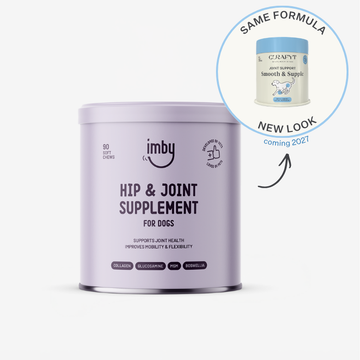







Bestsellers
Shop all (5)
AdviceBlog, hypoallergenic food, results, sustainability
ReviewsFrom dog owners


Science
About us



Quick view

Is it a food allergy? Find out in 12 weeks
Itching, licking or soft stools? 12 weeks on IMBY, and nothing else, tells you whether food is behind it.
Start with IMBY GI SensitiveFood allergy shows up on the skin
Blood and skin tests can't reliably diagnose food allergy in dogs. A strict elimination diet with IMBY can: insect protein your dog has never eaten.
- Licking or chewing paws
- Scratching ears and face
-
 Itching all year round
-
 Soft stools or more poos


Most common culprits in dogs
- Beef
- Dairy
- Chicken
- Wheat
 Sudden severe itching, open wounds, vomiting or bloody diarrhoea? See your vet first. Rule out fleas before you start.

What to expect when
-
Day 1–10 Switch to IMBYMix IMBY GI Sensitive into the old food, a little more each day.
-
Week 2 Stools settleFirmer, more regular stools often come first.
-
Week 5–8 Itch fadesIn studies, over 80% of food-allergic dogs improved by week 5, and over 90% by week 8.
-
Week 12 Evaluate with your vetStill itchy? Ask your vet about the next step.

The house rules
One snack can reset the clock. Share this with everyone who feeds your dog.
Yes, during the diet
- IMBY dog foodGI Sensitive, Insect-Based or Plant-Based
- Fresh water
- IMBY kibble as rewardsfrom the daily portion
- IMBY snacks & supplementsBedtime, Daytime & the ones below
-
 Vet medicationunflavoured if possible

Not for now
- Chewsrawhide, pig ears, yak
- Table scraps
- Cheese & dairy
- Other brands' treats
- Flavoured tablets
- Other pets' bowls
Why we're strict about snacks
Many chews, treats and flavoured tablets contain chicken, beef or dairy, and it isn't always clear on the label. IMBY foods and snacks are made with insect or plant protein, and our supplements are plant-based, so you can keep treating and caring for your dog without disturbing the diet.
Score it weekly
Two scores and a few counts are all you need to see the trend.
ItchingGoal: 0
- 0
- 1
- 2
- 3
- 4
- 5
- 6
- 7
- 8
- 9
- 10
No itchingNon-stop, wakes up for it
StoolIdeal: 2
- 1
- 2
- 3
- 4
- 5
- 6
- 7
Hard and dryWatery
- Paw lickingtimes per day
- Head shakingtimes per day
- Photospaws, ears, belly
-
 Weightevery 2 weeks


IMBY foods and supplements
Tap a product to see what to expect week by week.
Transition & benefit timeline
- Diet Diary (strict): Log every single food item your dog consumes.
- Stool score (1–7): Aim for 2: firm, moist and easy to pick up.
- Skin Symptom Score (1–5): Rate itching, redness, hotspots and licking weekly.
IMBY GI Sensitive Dog Food is a complete pet food for adult dogs with food sensitivities. Consult your vet if symptoms are severe.
Transition & benefit timeline
- Stool Quality (days 1–14): Some softening during transition is normal.
- Coat Sheen (monthly photo): Insect protein + algae oil DHA typically shows coat improvement by weeks 6–8.
- Scratching / Licking Frequency: If switching due to suspected food allergy — track weekly scratching from day 1.
IMBY Insect-Based Vitality Dog Food is a complete pet food for adult dogs (all breeds). Follow feeding guide on pack by body weight.
Transition & benefit timeline
- Body Weight (fortnightly): Plant-based diets are often lower in calories — monitor to adjust portion size.
- Muscle Condition Score: Palpate the spine and hindquarters monthly, especially in working or very active dogs.
- Stool Quality & Volume: Higher fibre typically means slightly larger stools — normal.
IMBY Plant-Based Dog Food is nutritionally complete for adult dogs. Consult your vet before switching growing puppies or dogs with medical conditions.
- Count them in: keep treats to a small part of the daily ration.
- Log them: note snacks in your weekly score sheet, so you can spot anything that doesn't suit your dog.
- Count them in: keep treats to a small part of the daily ration.
- Log them: note snacks in your weekly score sheet, so you can spot anything that doesn't suit your dog.
Results week by week — with consistent daily use
- Stool score (1–7): Aim for 2.
- Defecation Frequency: Note changes from normal routine.
- Appetite & Eating Speed: Bolting food or reluctance can indicate gut discomfort.
Results week by week — with consistent daily use
- Stool score (1–7): Aim for 2.
- Defecation Frequency: Note changes from your dog's personal baseline.
- Gas & Bloating: Note frequency and intensity.
Results week by week — with consistent daily use
- Scratching Frequency: Count or rate daily scratch sessions (1–5).
- Coat Sheen (monthly photos): Same lighting condition.
- Skin Lesions / Hotspots: Note location and size of any redness, scaling or hair loss patches.
Results week by week — with consistent daily use
- Energy & Vitality (1–5): Rate your dog's enthusiasm for walks, play and interaction weekly.
- Coat Quality (monthly photo): Sheen and texture in the same lighting condition each time.
- Stool Consistency: General gut health is a good proxy for micronutrient absorption.
Results week by week — with consistent daily use
- Stiffness After Rest (1–5): Rate how stiff your dog is getting up from rest.
- Gait Video (monthly): Short video walking and trotting on a straight line.
- Willingness to Exercise: Does your dog hesitate before stairs, jumping in the car, or longer walks?
Results week by week — with consistent daily use
- Morning Stiffness (1–5): Rate ease of getting up, especially after a night's rest.
- Exercise Tolerance: Maximum comfortable walk/run distance before signs of fatigue or reluctance.
- Gait on Camera (monthly): Short trot video on a straight line.
Results week by week — with consistent daily use
Results week by week — with consistent daily use
- Stress Trigger Reaction (1–5): Rate your dog's response to the same known trigger weekly.
- Resting Behaviour: Does your dog settle easily?
- Destructive / Anxious Behaviours: Log frequency of pacing, barking, destructive chewing, or inappropriate elimination.
Results week by week — with consistent daily use
- Scratch / Lick / Chew Frequency (1–5): Observe daily and rate each week.
- Skin Lesion Map: Note location and severity of any redness, scaling or hotspots monthly.
- Stool Quality: The gut-skin axis means gut health directly affects skin — improved stools often precede skin improvement.
Frequently asked questions
Why 12 weeks?
In studies, more than 80% of food-allergic dogs improved within 5 weeks and over 90% within 8 weeks. Twelve weeks gives slower responders time too, so you don't stop just before it works.
Can I give treats?
Yes: IMBY Bedtime and Daytime snacks fit the diet, and so does kibble from the daily portion. Other treats and chews wait until after the 12 weeks.
Is insect protein suitable?
Most dogs have never eaten insect protein, which is exactly what you want for an elimination diet. IMBY uses black soldier fly.
My dog is still itchy after 12 weeks. Now what?
Talk to your vet: itching often has more than one cause, such as an environmental allergy to pollen or dust mites. If your dog is on another IMBY food, try IMBY GI Sensitive.
Can I use IMBY Allergy & Itch during the diet?
It contains bovine colostrum, which is cow's milk protein. Give it after the elimination diet, or only in consultation with your vet.
Need personalised support?
Our team of vets and animal health experts is available Monday–Friday, 9–5 CET. We aim to respond within 24 hours, usually faster.
Get a free product
Snap clear before & after shots of your dog using IMBY and email them to info@curafyt.com. If we can see real progress, we'll send you a complimentary product of your choice.