





























Can dogs eat yoghurt?
 by Nicolas Bartholomeeusen on Jul 10 2026· 7 min read
Key takeaways
- Plain, unsweetened yoghurt is safe for most dogs in moderation and offers protein, calcium, and probiotics that support gut health.
- Most adult dogs are lactose intolerant because they produce less lactase after weaning, so watch for vomiting, gas, or diarrhoea after dairy.
- Skip flavoured or sugar-free varieties. Added sugars and the sweetener xylitol can be toxic and even cause acute liver failure in dogs.
- Stick to plain Greek yoghurt in small amounts, roughly one to three teaspoons a day depending on size, and keep treats to 10% of daily calories.
While yoghurt can be a tasty treat, it doesn't offer as many health benefits for dogs as it does for humans. Here is what to consider before feeding it to your dog.
The story of yoghurt
The word yoghurt comes from a term meaning "to thicken" or "congeal." Made from fermented milk, it has been a staple in human diets for centuries, dating back to the early domestication of milk-producing animals in the Middle East. The origins of yoghurt Before refrigeration, milk spoiled quickly, so shepherds carried it in sacks made from animal intestines. Inside these sacks, natural gut bacteria caused the milk to sour and curdle, preserving it for much longer. For centuries, yoghurt remained one of the only ways to store milk, apart from drying it. Yoghurt as a health food Over time, people discovered that yoghurt could help ease digestive issues like diarrhoea and stomach cramps. As it became more widely consumed, people began adding fruits, honey, and sugar, turning it into a popular dessert. Modern yoghurt In the 20th century, scientists confirmed yoghurt's health benefits, particularly for gut health. Today, most yoghurt is made from cow's milk, fermented and thickened using beneficial bacteria. It is often flavoured with fruit, spices, or sweeteners, making it a versatile food enjoyed worldwide.Types of yoghurt: what's the difference?
There are three main types of yoghurt: plain yoghurt, Greek yoghurt, and kefir. While they all share the same basic ingredients, their nutritional profiles and textures vary.Greek yoghurt: Strained three times to remove whey, making it thicker and creamier. It contains more protein, more healthy fats, and fewer sugars and carbohydrates. Its high protein content makes it a good option for weight management.
Plain yoghurt: Strained twice, leaving some whey in the final product. Compared to Greek yoghurt, it has more calcium and fewer calories.
Kefir: A drinkable fermented milk product with the same probiotics, calcium, and digestive benefits but in liquid form. Dogs can generally tolerate plain kefir in small amounts.
All three types contain probiotics and calcium, supporting digestion, immunity, and overall health. However, while yoghurt is a nutritious addition to the human diet, it's not always suitable for dogs.
Dogs and dairy
Most dogs are lactose intolerant, while some may have a true dairy allergy. If you're wondering how this is possible, since puppies drink their mother's milk, the explanation lies in how their bodies process lactose over time.
Why are most dogs lactose intolerant?
Milk contains a natural sugar called lactose, which requires the enzyme lactase to be properly digested.
- Puppies produce enough lactase to digest their mother's milk.
- Adult dogs, after weaning, produce less lactase, making them unable to digest dairy properly.
Lactose intolerance vs dairy allergy
While lactose intolerance causes digestive discomfort, a dairy allergy is an immune system reaction that can lead to skin issues and more severe symptoms. A vet can determine which applies to your dog. If you notice unusual symptoms after feeding dairy, consult your vet.
Signs of lactose intolerance in dogs:
- Vomiting
- Lack of appetite
- Diarrhoea
- Gas
- Bloating or abdominal pain
Signs of dairy allergy in dogs:
- Diarrhoea, vomiting, nausea, or loss of appetite
- Excessive itching, especially around the ears
- Excessive licking of paws
- Red skin, hives, or facial swelling
- Breathing difficulties
Yoghurt can be a healthy addition to a dog's diet if they can tolerate it. For lactose-intolerant or dairy-allergic dogs, it may cause more harm than good.
Health benefits of yoghurt for dogs
A large proportion of the immune system's active tissue is concentrated in the gut [1]. Processed foods, inappropriate diets, and certain medications can weaken gut defences, making dogs more vulnerable to illness, environmental stress, and the effects of ageing.
Yoghurt contains key nutrients that can support a dog's digestive health, immunity, and skin condition.
Probiotics: gut-friendly bacteria
Probiotics are beneficial bacteria and yeasts that live in the digestive system. When consumed in foods like yoghurt, they can help support the immune system and maintain gut balance [3].
Key probiotic strains in yoghurt include:
- Lactobacillus acidophilus
- Bifidobacterium
These probiotics can help dogs with:
- Weight management
- Improved digestion
- Stronger immune function
- Healthier skin and coat
- Better resistance to common digestive upsets [3]
Can your dog eat yoghurt?
Before adding yoghurt to your dog's diet, consider the following:- Intestinal health: If your dog has loose stools, itching, or a dull coat, yoghurt alone won't solve the problem. A probiotic supplement formulated specifically for dogs is more targeted than a food source like yoghurt.
- Sugar: Many yoghurts contain added sugars. A dog's digestive system cannot process sugar well, increasing the risk of obesity, diabetes, and dental disease.
- Artificial sweeteners: Sugar-free yoghurt often contains xylitol, a sweetener that is highly toxic to dogs and can cause acute liver failure [2].
- Added fruits: Many flavoured yoghurts contain sugary syrups or processed fruit. The safest approach is to buy plain yoghurt and add fresh fruit yourself.
- Fat content: Low-fat and fat-free yoghurts are fine for dogs; high-fat yoghurt can inflame the pancreas and cause pancreatitis, a potentially fatal condition.
How much yoghurt can your dog eat?
If your dog is not lactose intolerant, yoghurt can be a moderate daily treat. The recommended serving size depends on your dog's weight:
- Small dogs: 1 teaspoon per day
- Medium-sized dogs: 2 teaspoons per day
- Large dogs: 3 teaspoons per day
While yoghurt is a tasty snack, it doesn't provide the consistent probiotic support your dog may need. If your dog requires digestive or immune support, a probiotic supplement formulated specifically for dogs is more reliable.
Snack time
Before introducing any new food to your dog's diet, always check with your vet. Ensure that 90% of your dog's daily calories come from a complete and balanced diet, with only 10% from treats. Exceeding this ratio can lead to obesity or diabetes.Choose the right yoghurt:
- Plain Greek yoghurt is the healthiest option.
- Look for live, active cultures and avoid artificial ingredients, sweeteners, and preservatives.
- Berry yoghurt treat: Add fresh berries or fruit for a dog-friendly frozen snack.
- Meal topper: Mix a small amount of yoghurt into your dog's food bowl.
- Frozen yoghurt bites: Freeze yoghurt with fresh fruit in ice cube trays or a treat toy for a refreshing snack.
- Smoothies: Blend yoghurt with your dog's favourite fresh fruits and vegetables for a nutrient-packed boost.
The bottom line: can dogs eat yoghurt?
Yes, but only if it's the right kind. Yoghurt is a good source of protein, calcium, and probiotics, which can support your dog's immune system and digestive health.
Plain Greek yoghurt is the best option. You can mix in fresh fruit, vegetables, or natural peanut butter for added vitamins, minerals, and antioxidants. Avoid artificial sweeteners, added sugars, and high-fat varieties.
IMBY Probiotics Supplement
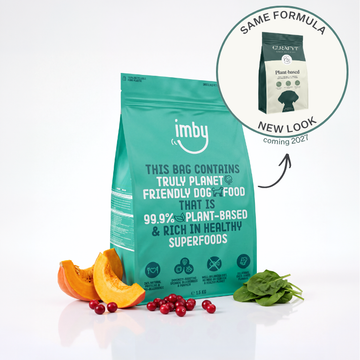
If your dog needs more consistent gut support than a yoghurt topper can provide, IMBY Probiotics is formulated specifically for dogs, with a daily-use format and clearly identified probiotic strains.
Guts & Glory Supplement
For dogs that need more than daily maintenance. A concentrated powder for gut restoration after illness, antibiotic treatment, or persistent digestive imbalance.
Looking for targeted probiotic support?
IMBY Probiotics is formulated for dogs, not humans. A daily supplement is more reliable than yoghurt for dogs with recurring digestive or skin issues.
Shop IMBY ProbioticsReferences
[1] Vighi G, Marcucci F, Sensi L, et al. (2008). Allergy and the gastrointestinal system. Clinical and Experimental Immunology, 153(Suppl 1), 3–6.
[2] Dunayer EK, Gwaltney-Brant SM. (2006). Acute hepatic failure and coagulopathy associated with xylitol ingestion in eight dogs. Journal of the American Veterinary Medical Association, 229(7), 1113–1117.
[3] Bybee SN, Dykes J, Tidwell V, et al. (2011). Effect of the probiotic Enterococcus faecium SF68 on presence of diarrhea in cats and dogs housed in an animal shelter. Journal of Veterinary Internal Medicine, 25(4), 856–860.
Share