The Basset Artésien Normand is a unique breed of dog with a charming character and specific care requirements. In this guide, you’ll discover everything you need to know about this French breed, including its history, characteristics, temperament, care, and more.
- Size: Height at withers: 30 to 36 cm
- Weight: 17 to 20 kg
- Temperament:
- Friendly and affectionate
- Gentle and patient
- Energetic and playful
- Brave and determined
- Can be headstrong
- Good with children and other pets, provided well socialised
- Coat:
- Short, smooth coat
- Tri-coloured (black, white, brown)
- Sheds little
- Regular brushing is required
- Origin: France
- FCI breed group: FCI Group 6: Scenthounds
Life expectancy: 12 to 15 years
History of the breed
The Basset Artésien Normand is a dog breed that originated in France. The breed has a rich history as a hunting dog and was developed in the 19th century. Through selective breeding and targeted breeding programmes, the Basset Artésien Normand has developed into a beloved companion dog with unique characteristics.
In the 19th century, Basset dogs were bred in France with the aim of creating a dog suitable for hunting small game, such as rabbits and hares. The Basset Artésien Normand was created by crossing various hunting dog breeds, including the Basset d’Artois and the Normandy Basset.
This new dog had a special talent: it could hunt slowly and persistently, keeping pace with the hunter. Thanks to its short legs and keen sense of smell, the Basset Artésien Normand was able to track down and pursue hard-to-reach prey.
“The Basset Artésien Normand is a charming dog with an impressive history as a hunting dog in France.”
Over the years, it became increasingly popular and its role shifted from that of a hunting dog to a companion dog. Its friendly and affectionate nature made it a favourite with families, and it soon gained a reputation as a wonderful companion.
Today, the Basset Artésien Normand is still loved for its unique appearance and charming personality. It is a true ambassador for the French dog breed and continues to enchant people worldwide with its charm.
| Year |
Event |
| 19th century |
Origin of the Basset Artésien Normand as a hunting dog in France |
Basset Artésien Normand character and temperament
It is known for its friendly and sociable nature. This French breed is a beloved companion dog due to its affectionate and cheerful disposition. They adore their family and love spending time with their owners.
The Basset Artésien Normand is naturally a sociable and friendly dog. They enjoy being around people and often have a friendly and gentle nature. They are known for their patience and tolerance, especially with children. This makes them a great choice for families.
Although they are generally friendly, they can sometimes have a mind of their own. They can be stubborn and headstrong, so consistent training and socialisation are important to keep their behaviour in check. However, with the right guidance and positive reinforcement, they can learn and be obedient.
When it comes to temperament, they are often calm and relaxed. They generally do not have high energy levels and are content with daily walks and some playtime. They are not hyperactive dogs, but they do enjoy short games in the garden or attentive interaction with their owners.
They also tend to get on well with other pets, especially if introduced to them at a young age. They can get on well with other dogs and small animals, such as cats, if socialised properly.
In short, the Basset Artésien Normand is a friendly and sociable companion dog with a gentle nature. They thrive in family environments and are generally tolerant and patient. With the right training, they can be a wonderful addition to any household.
Basset Artésien Normand physical characteristics
The Basset Artésien Normand stands out from other dog breeds due to its unique physical characteristics. In this section, we cover the height and weight of this breed, as well as the specific characteristics of the head, body, coat and colour
Height and weight
It has an average height of 30–36 centimetres and weighs 17–20 kilograms. Although these dogs are short in stature, they have a strong and compact build.
Head and body
The head is large in proportion to the body, with a clearly defined skull and strong jaw. The ears are long and set low, which contributes to their charming appearance. The Basset Artésien Normand’s body is long and muscular, with a deep chest and strong legs.
Coat and colour
The Basset Artésien Normand has a short, dense coat that requires little care. They can vary in colour, including tricolour (black, white and brown), bicolour (white and brown) and lemon (white and light brown). The coat contributes to their characteristic appearance and is one of the features that distinguishes them from other dog breeds.
| Physical characteristics |
Description |
| Height |
30–36 cm |
| Weight |
17–20 kg |
| Head |
Large, well-defined skull and strong jaw |
| Body |
Long, muscular, deep chest and strong legs |
| Coat |
Short, dense, low-care
|
| Colour |
Varies: tricolour, bicolour, lemon |
Coat care and hygiene
This is a dog breed with a short, smooth coat that requires relatively little care. It is important to pay regular attention to the coat care and hygiene of these dogs to ensure their health and well-being.
Proper coat care starts with regular brushing to remove loose hair and dirt. This can help prevent tangles and matting. Use a soft brush or dog comb and work gently through the coat, paying extra attention to the chest, belly and hind legs where tangles often occur.
Another important aspect of coat care is keeping the ears clean. The Basset Artésien Normand has drooping ears, which means they are more prone to ear problems such as infections.[2] Clean the ears regularly with a soft cloth or gauze, and avoid using cotton buds, which can damage the ears. Consult a veterinarian if you notice your dog is suffering from ear infections or other ear problems.
Good to know
Dogs with pendulous, drop-shaped ears like the Basset Artésien Normand's carry close to double the odds of ear infections compared with erect-eared breeds, according to a large UK veterinary study.[2] A quick, gentle wipe after walks and swims goes a long way toward prevention.
Finally, it is important to check and trim the nails regularly. Overgrown nails can cause discomfort and pain when walking. If you are not familiar with trimming a dog’s nails, seek advice from a professional groomer or veterinarian.
By paying regular attention to coat care and hygiene, you can ensure your dog looks healthy and well-groomed. Follow these tips and guidelines to keep your dog in top condition.
Socialisation: Behaviour with other dogs
To ensure your Basset Artésien Normand gets on well with other dogs, it is important to socialise him from a young age. Socialisation helps develop positive behaviour towards other dogs and ensures friendly and harmonious interaction in various situations.
During the socialisation period, it is important to expose your Basset Artésien Normand to different types of dogs, varying in both size and temperament. This helps him get used to different dog behaviours and reduces the likelihood of anxiety, aggression or undesirable behaviour. Furthermore, a properly socialised dog will be better able to communicate and play with other dogs.
Here are some tips to help socialise your Basset Artésien Normand:
-
Start early: Begin socialisation as soon as your puppy has had all his vaccinations and can safely explore the outside world.
-
Gradual exposure: Start by introducing your puppy to well-socialised dogs in quiet, controlled environments. Build up exposure gradually and observe your puppy’s behaviour to ensure they feel at ease.
-
Positive experiences: Ensure your Basset Artésien Normand has positive experiences when meeting other dogs. Reward desired behaviour with praise and treats; this will help build positive associations.
-
Guidance and training: Provide your puppy with the right guidance and training during encounters with other dogs. Teach him basic commands, such as ‘sit’ and ‘stay’, to help him behave calmly and obediently in social situations.
-
Social interaction: Organise regular play dates with other dogs so that your Basset Artésien Normand can learn to interact with other dogs in a playful and respectful manner.
By socialising and training your Basset Artésien Normand from a young age, you lay the foundation for good behaviour with other dogs. With patience, positive rewards and consistency, you can ensure your dog gets on well with other dogs and that you can both enjoy social interactions together.
| Socialisation tips for behaviour with other dogs |
| Start early |
| Gradual exposure |
| Positive experiences |
| Guidance and training |
| Social interaction |
Training
Proper training is essential for the Basset Artésien Normand. It is important to start training this breed from a young age. Here are some tips and advice to help you with training:
- Ensure a positive and consistent approach. Reward desired behaviour with praise, attention and treats.
- Start with basic obedience training, such as teaching basic commands like sit, lie down and come.
- Be patient and consistent in your approach. Repeat commands and exercises regularly.
- Use positive training methods, such as rewards and reinforcement, rather than punishment or negative reinforcement.
- Create a structured and safe environment. Provide a fixed sleeping area, feeding spot and place for toilet training.
- Socialise your dog with other dogs, people and different situations to promote good behaviour and confidence.
- Prevent behavioural problems by providing sufficient physical and mental stimulation. Offer daily physical activity, such as walking and playing, as well as brain games and toys.
With patient and consistent training, your Basset Artésien Normand will grow into an obedient and well-adjusted dog.
| Training tips for the Basset Artésien Normand |
| Ensure a positive and consistent approach |
| Start with basic obedience training |
| Be patient and consistent in your approach |
| Use positive training methods |
| Create a structured and safe environment |
| Socialise your dog with other dogs and people |
| Prevent behavioural problems by providing sufficient stimulation |
Living conditions
The Basset Artésien Normand is a versatile breed that adapts easily to different living conditions. Whether you live in a small flat or a spacious house with a garden, the Basset Artésien Normand feels at home anywhere.
For ideal accommodation, it is important to take the breed’s needs into account. Here are some tips for creating a safe and comfortable living environment for your Basset Artésien Normand:
-
Housing: Ensure there is sufficient space in your home where your Basset Artésien Normand can rest and move around. A basket or blanket with soft cushions can serve as a comfortable resting place.
-
Safety: Basset Artésien Normands have a tendency to go hunting, especially when they pick up an interesting scent. Ensure your home and garden are secure to prevent your dog from escaping or injuring itself.
-
Garden: If you have a garden, ensure it is securely fenced. Basset Artésien Normands have a keen sense of smell and cannot resist the temptation to follow scents. A fenced garden allows them to play safely outdoors and sniff around.
-
Challenges and stimulation: Basset Artésien Normands are active and intelligent dogs. Provide sufficient physical and mental stimulation to prevent boredom. Daily walks, playtime and interaction with other dogs are essential for their well-being.
| Housing |
Garden |
| Ensure there is sufficient space in the house where your dog can rest and move around. |
If you have a garden, ensure it is securely fenced to prevent escape. |
| Create a comfortable resting spot with a basket or blanket with soft cushions. |
The garden gives your Basset Artésien Normand the chance to play safely outdoors and have a sniff around. |
| Make sure your home and garden are safe to prevent accidents. |
Provide plenty of challenges and stimulation to prevent boredom. |
With the right accommodation and living conditions, your Basset Artésien Normand will feel at home and be happy.
Health: common ailments and diseases
Like all dog breeds, the Basset Artésien Normand can be prone to certain health issues. It is important to be aware of these conditions and illnesses so that you can take preventive measures and intervene promptly if any symptoms arise.
Some common conditions and illnesses include:
-
Joint and back problems: Due to their long backs and short legs, Bassets are at increased risk of back and joint conditions, including intervertebral disc disease, hip dysplasia and patella luxation. Research into "long and low" breed conformation links this body shape directly to a higher risk of spinal disc problems.[1]
-
Ear infections: The Basset Artésien Normand’s floppy ears make them prone to a build-up of dirt and moisture, which can lead to ear infections. Breeds with pendulous, drop-shaped ears carry close to double the odds of ear infections compared with erect-eared breeds.[2]
-
Skin problems: Bassets often suffer from skin conditions, such as allergies, hot spots and dermatitis.
-
Obesity: Bassets are prone to becoming overweight, which can lead to health problems such as joint issues and heart disease. Excess weight is one of the most common, and most preventable, health risks in dogs generally, and portion control makes a real difference.[5]
-
Eye problems: Cataracts, entropion and glaucoma are some of the eye conditions that can occur in the Basset Artésien Normand. An inherited form of glaucoma linked to a specific gene mutation has been documented in the closely related Basset Hound breed.[3]
It is important to regularly monitor your Basset Artésien Normand’s health and build a good relationship with a veterinarian who is familiar with this specific breed. By taking preventive measures, such as a healthy diet, sufficient exercise and regular check-ups, you can promote your dog’s health and well-being.
| Health issue |
Description |
Prevention |
| Joint problems |
Conditions such as hip dysplasia and patella luxation |
Regular exercise to strengthen muscles and joints |
| Ear infections |
Inflammation caused by a build-up of dirt and moisture |
Regular cleaning of the ears and keeping them dry after swimming |
| Skin problems |
Allergies, hotspots and dermatitis |
Healthy nutrition and regular brushing to promote skin health |
| Obesity |
Excess weight, which can lead to health problems |
A balanced diet and regular exercise |
| Eye problems |
Cataracts, entropion and glaucoma |
Regular eye check-ups at the veterinarian |
By keeping a close eye on your Basset Artésien Normand’s health and taking preventive measures, you can ensure your dog enjoys a long and healthy life.
Life expectancy
The Basset Artésien Normand is known for having a good life expectancy of 12 to 15 years on average.[4] Good health and well-being play an important role in extending the lifespan of this breed.
There are several factors that can influence the health and lifespan of the Basset Artésien Normand. It is essential to ensure they receive the right nutrition, get regular exercise and that their overall health is maintained.
In addition, it is important to ensure regular veterinary check-ups and vaccinations to detect and treat potential health issues at an early stage. It is also a good idea to be aware of possible hereditary conditions that may occur in this breed, so that you can take preventive measures if necessary.
By taking good care of your Basset Artésien Normand and paying attention to their health, you can ensure they lead a long and happy life.
| Life expectancy |
On average 12–15 years |
| Factors that may affect lifespan |
-
Nutrition and diet
- Exercise and activity
- Veterinary care and vaccinations
-
Hereditary conditions
|
Cost and budget
Owning a Basset Artésien Normand involves costs. Both the purchase price of a puppy and the costs of care, nutrition and veterinary care must be taken into account.
|
Price |
| Basset Artésien Normand puppy |
The price of a Basset Artésien Normand puppy varies depending on the breeder, the bloodline and demand. On average, you can expect to pay between €800 and €1,500. |
| Care and nutrition |
The average monthly cost of care and nutrition for a Basset Artésien Normand is between €50 and €100. This includes the cost of nutrition, coat care, vet visits, and any essentials such as toys and a dog bed. |
| Veterinary care |
The costs of veterinary care can vary depending on various factors, such as your dog’s health and the rates charged by veterinarians in your area. It is important to also factor in unexpected costs for things like vaccinations, worming and neutering. |
Before you get a Basset Artésien Normand, it is important to set a budget and consider the financial responsibility. By mapping out the costs, you can be better prepared for the financial impact of owning a Basset Artésien Normand.
Diet and nutritional requirements
A balanced diet is essential for the health and well-being of the Basset Artésien Normand. These dogs have specific nutritional needs that must be met to ensure they function optimally. A healthy diet can contribute to good digestion, a strong immune system and a healthy coat and skin.
As the owner of a Basset Artésien Normand, it is important to know which nutrients are essential for their diet and which foods they should avoid. Here are some key considerations when feeding a Basset Artésien Normand:
-
High-quality nutrition: Choose high-quality foods. These foods contain the right balance of proteins, fats, carbohydrates, vitamins and minerals needed for healthy nutrition.
-
Portion control: It is important to control your Basset Artésien Normand’s portions to prevent overfeeding and obesity. Consult your veterinarian about the correct amount of food your dog needs based on its weight, age and activity level.
-
Fresh nutrition: Adding fresh nutrition to your Basset Artésien Normand’s diet can provide extra nutrients and stimulate your dog’s taste buds. Consider adding some vegetables, fruit and lean meat to your dog’s food, after consulting your veterinarian.
-
Water: Ensure your Basset Artésien Normand always has access to fresh, clean water. Hydration is essential for your dog’s health and can help prevent dehydration.
-
Foods to avoid: There are certain foods that can be toxic to dogs and should be avoided. These include chocolate, onions, garlic, grapes, raisins, xylitol (a sweetener) and alcohol. Consult your veterinarian for a full list of foods that are harmful to dogs.
It is always important to consult your veterinarian about your Basset Artésien Normand’s diet and nutritional needs. Your veterinarian can provide specific advice based on your dog’s individual requirements. By providing the right nutrition, you can ensure your Basset Artésien Normand leads a healthy and happy life.
| Important considerations for the diet of a Basset Artésien Normand |
| High-quality nutrition |
| Portion control |
| Fresh nutrition |
| Water |
| Foods to avoid |
Physical activity and exercise
To ensure your Basset Artésien Normand stays healthy and happy, it is important that they get sufficient daily physical activity and exercise. These dogs have moderate energy requirements and need exercise to burn off excess energy and strengthen their muscles.
Physical activity is essential for the Basset Artésien Normand, but it is also important to take their sensitive joints and spine into account. Avoid high-impact activities, such as jumping over obstacles, and opt instead for gentle activities such as walking and swimming.
Training is also a key part of raising an obedient Basset Artésien Normand. These dogs can be stubborn and require a consistent and patient approach. Start at a young age with basic commands such as sit, lie down and come. Then move on to more advanced obedience training and, if desired, dog sports such as obedience trials or agility.
As well as physical activity and training, it is also important to provide mental stimulation for the Basset Artésien Normand. These intelligent dogs need a challenge and can become bored if they do not receive sufficient mental stimulation. Give them toys that challenge their intelligence and problem-solving skills, and play regular brain games with them.
By providing regular physical activity, training and mental stimulation, you’ll ensure your Basset Artésien Normand is a happy and well-balanced dog. And don’t forget to enjoy the time you spend together training and playing!
Basset Artésien Normand name ideas
Looking for the perfect name for your Basset Artésien Normand? Don’t worry, we’ve gathered inspiration and ideas to help you choose a name that suits this unique breed. When choosing a name, it’s important to consider your Basset Artésien Normand’s personality, appearance and character traits. Here are some name ideas to get you started:
-
Bella: A lovely name for a female, meaning ‘beautiful’ in Italian.
-
Maximus: A bold name for a male, referring to ‘great’ or ‘magnificent’ in Latin.
-
Lola: A playful and cheerful name for a female.
-
Rocco: A powerful name for a male, meaning ‘rock-like’ in Italian.
-
Luna: An enchanting name for a female, inspired by the moon.
-
Charlie: A popular and charming name suitable for both males and females.
-
Sophie: An elegant and sweet name for a female.
-
Riley: A playful and energetic name for both males and females.
Also remember to practise the name and see how well it suits your Basset Artésien Normand. Choose a name with which you can build a strong bond and that suits your dog’s unique personality and characteristics.
Famous breeds
The Basset Artésien Normand doesn’t have many famous representatives of its own in film and television, but its close cousin, the Basset Hound, is a familiar face in popular culture, and the family resemblance (long ears, short legs, soulful expression) is easy to spot.
The best-known example is Columbo’s faithful companion, a dog simply named “Dog”. Played by a rescue Basset Hound called Henry, he appeared alongside actor Peter Falk throughout the detective series and became one of television’s most recognisable canine sidekicks.
Snoopy, of Charles M. Schulz’s Peanuts, is sometimes mistaken for a Basset because of his long ears and floppy build, but he is officially a Beagle. It is a mix-up that says something about how the two breeds share a similar charm, even if they are not the same dog at all.
Basset Artésien Normands may not have their own Hollywood star, but their friendly, low-key nature has made them a favourite in French hunting and family circles for generations. For a lot of owners, that is a better legacy than a TV cameo.
FAQs
What type of family is best suited to a Basset Artésien Normand?
Families who want an affectionate, patient companion and can commit to daily walks, consistent training and a securely fenced garden. Their calm, sociable temperament suits households with children or other pets, provided they are properly socialised from puppyhood.
How much exercise does a Basset Artésien Normand need?
Daily walks plus some playtime are usually enough, since this is a low-to-moderate energy breed. Favour gentle activities like walking and swimming over jumping or high-impact games, which put extra strain on their long back and short legs.
Are Basset Artésien Normands suitable for families with children?
Yes, provided they are well socialised, they can make excellent family dogs and get on well with children.
What are the main health issues associated with Basset Artésien Normands?
The main concerns are back and joint problems linked to their long-backed build, ear infections caused by their floppy ears, skin issues such as allergies and hot spots, weight gain, and inherited eye conditions such as glaucoma.[1][2][3] Regular vet checks and preventive care make a real difference.
How often should I groom my Basset Artésien Normand’s coat?
A weekly brush is usually enough to remove loose hair from their short coat, though the ears should be checked and wiped clean more often to help prevent infections.[2]
References
- Packer RMA, Hendricks A, Volk HA, Shihab NK, Burn CC. How Long and Low Can You Go? Effect of Conformation on the Risk of Thoracolumbar Intervertebral Disc Extrusion in Domestic Dogs. PLoS ONE. 2013;8(7):e69650. doi: 10.1371/journal.pone.0069650.
- O'Neill DG, Volk AV, Soares T, Church DB, Brodbelt DC, Pegram C. Frequency and predisposing factors for canine otitis externa in the UK, a primary veterinary care epidemiological view. Canine Medicine and Genetics. 2021;8:7. doi: 10.1186/s40575-021-00106-1.
- Oliver JAC, Forman OP, Pettitt L, Mellersh CS. Two Independent Mutations in ADAMTS17 Are Associated with Primary Open Angle Glaucoma in the Basset Hound and Basset Fauve de Bretagne Breeds of Dog. PLoS ONE. 2015;10(10):e0140436. doi: 10.1371/journal.pone.0140436. PMID: 26474315.
- McMillan KM, Bielby J, Williams CL, Upjohn MM, Casey RA, Christley RM. Longevity of companion dog breeds: those at risk from early death. Scientific Reports. 2024;14:531. doi: 10.1038/s41598-023-50458-w.
- Colliard L, Ancel J, Paragon BM, Benet JJ, Blanchard G. Risk factors for obesity in dogs in France. Journal of Nutrition. 2006;136(7 Suppl):1951S-1954S. doi: 10.1093/jn/136.7.1951S.
Support your Basset Artésien Normand's joints from the inside out
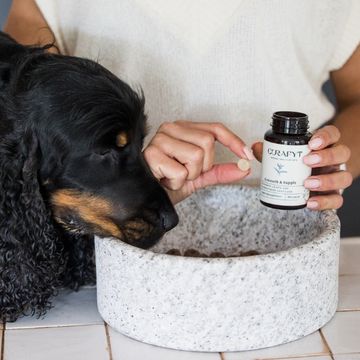
A long back, short legs and a build that puts extra load on the spine and joints means a little daily support goes a long way. Explore Curafyt's joint and mobility supplements for dogs, formulated to help maintain flexible movement and healthy cartilage at every life stage.
Shop joint & mobility supplements




































 by Nicolas Bartholomeeusen on Jun 14 2026· 20 min read