
























Strengthen resistance and immune system dog
 by Nicolas Bartholomeeusen on Jun 14 2026· 7 min read
Key takeaways
- A strong immune system in dogs depends on nutrition, exercise, stress management and regular veterinary care working together.
- Nutrients like vitamin E, omega-3 fatty acids, zinc and probiotics each play a distinct role, from protecting cells to supporting gut flora and antibody production.
- Watch for warning signs such as frequent infections, slow-healing wounds, lethargy or digestive trouble, since these can signal a weakened immune system.
- Chronic stress and ageing both suppress immunity, but gentle exercise, calm routines and tailored nutrition can help dogs recover over time.
How can you boost your dog’s resistance and immune system?
Boosting your dog’s immune system requires a holistic approach that focuses on nutrition, supplements, exercise and stress management. By paying attention to your dog’s nutritional needs, giving them the right supplements and minimising stress, your dog can maintain a healthy immune system. Furthermore, regular veterinary care is essential for the timely detection and treatment of any underlying causes of weakened immunity.
What are the main factors that influence a dog’s immune system?
A dog’s immune system is influenced by a wide range of factors. These include nutrition, exercise, stress management and vaccinations. Just as with humans, genetic predisposition and external factors such as pollution also play a role in dogs’ resistance. In addition, there are internal influences such as gut health and the presence of sufficient white blood cells. A balanced diet containing antioxidants, fatty acids and essential vitamins is essential for supporting your dog’s immune system.[1]
What causes a weakened immune system in dogs?
A weakened immune system can be caused by several factors. Common causes include:
- Poor nutrition: Deficiencies in essential nutrients such as zinc, vitamin E and omega-3 fatty acids reduce immunity.
- Stress: Prolonged stress can suppress the immune system, especially when the dog does not get enough rest.[5]
- Infections or underlying diseases: Conditions such as parasitic infections and viral diseases can seriously undermine a dog’s immunity.
- Age: Older dogs often have a less active immune system and are more susceptible to infections.[6]
How can nutrition strengthen a dog’s immune system?
Dog nutrition plays a crucial role in maintaining and strengthening its immune system. Adding antioxidants, omega-3 fatty acids and high-quality proteins supports immunity. Nutrition rich in antioxidants helps combat the free radicals that cause cell damage.[1]
Which nutrients are essential for a strong immune system in dogs?
- Vitamin E: This antioxidant protects cells against oxidative stress. Dogs fed diets enriched with vitamin E alongside other antioxidants have shown reduced DNA damage and improved antioxidant status.[1]
- Omega-3 fatty acids: Have anti-inflammatory properties and support skin health. Research in aged dogs shows that the balance between omega-6 and omega-3 fatty acids in the diet shapes immune markers such as inflammatory eicosanoid production and vitamin E status, so more omega-3 is not automatically better.[2]
- Zinc: Plays a crucial role in the immune system by promoting the production of antibodies. In laboratory tests, zinc has also been shown to increase the phagocytic activity of canine immune cells, the process by which they engulf and destroy pathogens.[3]
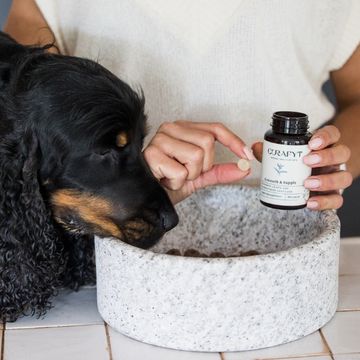
- Probiotics: Supports healthy gut flora, which is essential for a dog’s immunity. A study in dogs found that probiotic supplementation increased markers of immune activity and improved gut microbiota composition, with the most pronounced benefits seen in older dogs.[4]
Which supplements can help strengthen a dog’s immune system?
Supplements can make an important contribution to your dog’s immune system, especially when nutrition alone is not sufficient.
What are the best supplements for a dog’s immune system?
- Probiotics: Help regulate gut flora, thereby improving immune function.[4]
- Multivitamins: Multivitamins containing a broad spectrum of vitamins and minerals, such as vitamins A and C and zinc, support the dog’s overall health.
- Colostrum: This supplement contains immune-boosting factors that help fight pathogens.
- Echinacea: An herb that boosts a dog’s resistance, particularly during seasonal changes.
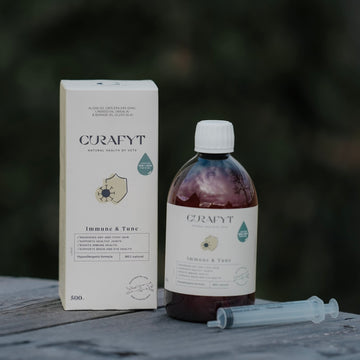
Immune & Tune Supplement
A vet-formulated, plant-based omega-3 supplement made as a hypoallergenic alternative to salmon oil. It is designed to support skin comfort, everyday joint health and immune resilience in dogs and puppies.
How can stress weaken a dog’s immune system?
Chronic stress has a negative impact on dogs’ health and can weaken their immune system. Research shows that prolonged exposure to stress can disrupt hormonal balance and suppress immune function, including reducing the proliferation of both T and B lymphocytes.[5] It is important to monitor your dog’s stress levels and take proactive measures, such as ensuring sufficient exercise, mental stimulation and regular rest periods.
What are the signs that a dog is experiencing stress?
- Excessive panting or drooling for no apparent reason.
- Changes in appetite or sleeping habits.
- Reduced interest in play or social interaction.
How can exercise contribute to a strong immune system in dogs?
Exercise is essential for dogs’ overall health and plays a major role in strengthening their immune system. Regular physical activity stimulates blood circulation, which ensures that immune cells can travel efficiently throughout the body and fight off potential pathogens.
How much exercise does a dog need each day to strengthen its immune system?
The amount of exercise depends on the dog’s size, breed and age. Generally speaking, dogs need at least 30 minutes to an hour of physical activity every day.
Good to know
Most healthy adult dogs need at least 30 minutes to an hour of physical activity a day. Regular movement keeps blood circulating efficiently, helping immune cells travel through the body and respond to threats faster.
What are the symptoms of a weak immune system in dogs?
Recognising a weak immune system in dogs is essential for taking timely action. Common symptoms include:
- Frequent infections such as ear or skin infections.
- Slow healing of wounds.
- Lethargy or reduced appetite.
- Problems with digestion, such as diarrhoea or vomiting.
What are the benefits of vaccinations for a dog’s immune system?
Vaccinations are a preventive measure to prepare a dog’s immune system for exposure to common diseases. They train the body to produce antibodies, thereby protecting the dog against serious infections such as parvovirus or distemper.
How can you strengthen an older dog’s immune system?
Older dogs often have a weaker immune system, which makes them more susceptible to illness. A 2025 review of ageing and immune decline in dogs and cats found that older animals have a reduced ability to respond to new infections, even though their response to familiar ones stays relatively intact.[6] Strengthening an older dog’s immune system requires special attention.
What measures help with older dogs?
- Healthy nutrition: A nutrition plan rich in antioxidants and omega-3 fatty acids.
- Exercise: Regular, gentle exercise to stimulate blood circulation.
- Reducing stress: A calm environment and consistent routines are essential for reducing stress.
Can a dog’s immune system recover after becoming weakened?
Yes, with the right care, a dog’s immune system can recover after a period of weakness. This involves a combination of balanced nutrition, the use of supplements, stress reduction and regular check-ups with a veterinarian.
What are the key steps to treating a weakened immune system?
- Dietary adjustments: Adding essential fatty acids, vitamins and minerals.
- Use of supplements: Such as probiotics and colostrum.
- Regular veterinary care: Have your dog’s general health checked regularly.
References
- Jewell, D.E., Motsinger, L.A., & Paetau-Robinson, I. (2024). Effect of dietary antioxidants on free radical damage in dogs and cats. Journal of Animal Science, 102, skae153.
- Wander, R.C., Hall, J.A., Gradin, J.L., Du, S.H., & Jewell, D.E. (1997). The ratio of dietary (n-6) to (n-3) fatty acids influences immune system function, eicosanoid metabolism, lipid peroxidation and vitamin E status in aged dogs. The Journal of Nutrition, 127(6), 1198-1205.
- Kim, Y.J., Kang, J.H., & Yang, M.P. (2009). Zinc increases the phagocytic capacity of canine peripheral blood phagocytes in vitro. Veterinary Research Communications, 33(3), 251-261.
- Xu, H., Huang, W., Hou, Q., Kwok, L.Y., Laga, W., Wang, Y., Ma, H., Sun, Z., & Zhang, H. (2019). Oral administration of compound probiotics improved canine feed intake, weight gain, immunity and intestinal microbiota. Frontiers in Immunology, 10, 666.
- Kulka, M., Szopa, I.M., Mizera-Szpilka, K., & Klockiewicz, M. (2026). Stress-related immunomodulation of canine lymphocyte responses and hematologic profiles. International Journal of Molecular Sciences, 27(3), 1506.
- McKenzie, B.A. (2025). Immunosenescence and inflammaging in dogs and cats: A narrative review. Journal of Veterinary Internal Medicine, 39(4), e70159.
Give your dog’s immune system a helping hand
From omega-3s to probiotics, the right daily supplement can make a real difference to how well your dog copes with everyday challenges. Explore Curafyt’s full range of vet-formulated dog supplements.
Shop dog supplementsShare