

































The importance of probiotics for dogs
 by Nicolas Bartholomeeusen on Jul 08 2026· 4 min read
Key takeaways
- Probiotics are live microorganisms that help restore a balanced gut flora, easing issues like diarrhoea, constipation, and flatulence.
- Because a large part of the immune system sits in the gut, supporting gut flora with probiotics also helps a dog resist illness and infection.
- Certain strains, including Lactobacillus, Bifidobacterium, Saccharomyces boulardii, and Enterococcus faecium, each offer specific benefits, from reducing diarrhoea to easing dietary transitions after antibiotic use.
- Most dogs tolerate probiotics well, though mild stomach upset can occur at first, so it is worth following dosing guidance and checking with a vet if your dog takes other medication.
Healthy digestion is essential for your dog's wellbeing, and probiotics can play a meaningful role in supporting it. This article looks at what probiotics are, their benefits for dogs, which strains are suitable, how to administer them, and what side effects to be aware of.
What are probiotics?
Probiotics are live microorganisms, such as bacteria and yeasts, that occur naturally in the digestive systems of both humans and dogs. These microbes are often referred to as 'good bacteria', and they play a key role in maintaining a healthy gut flora.
In a dog's intestines, as in humans, the balance of beneficial bacteria supports optimal digestion and nutrient absorption. When this balance is disrupted, problems such as diarrhoea, constipation, and other digestive issues can follow. Probiotics help restore and maintain that balance. Research shows they can also benefit dogs with skin issues such as itching [1].
Benefits of probiotics for dogs
Using probiotics for dogs offers several health benefits, many of which are supported by clinical evidence [1]:
Improved digestion
Probiotics support a balanced gut flora, which contributes to healthier digestion. They can help reduce problems such as diarrhoea, constipation, and flatulence.
Immune system support
A significant part of the immune system is located in the gut. Probiotics help support immune function, making your dog better able to resist illness and infection.
Relief from itching and allergies
For dogs with itching and allergies, probiotics can offer some relief by helping to reduce gut inflammation and its downstream effects on skin health.
Improved nutrient absorption
A healthy gut flora improves nutrient absorption, allowing your dog to get more from their food.
Stress reduction
Stress can affect your dog's digestion. Probiotics help support gut health during stressful periods, which can reduce digestive upset associated with anxiety.
Which probiotics are suitable for dogs?
Not all probiotics are suitable for dogs. It is important to choose strains that are appropriate for canine use.
Lactobacillus strains are beneficial for digestion and help reduce diarrhoea in dogs. Their use is also associated with improved mood, healthier skin, and better breath odour.
Bifidobacterium strains maintain gut balance and support immunity. They are well absorbed by dogs and help improve nutrient uptake.
Saccharomyces boulardii is a yeast that helps treat diarrhoea and other digestive problems. It can also be used to prepare the gut before a course of antibiotics.
Enterococcus faecium helps reduce inflammation and improve digestion. It maintains a healthy bacterial mix in the gut and is particularly useful during dietary transitions or after antibiotic use.
Probiotic supplements for dogs
Once you've decided to add probiotics to your dog's routine, a dedicated supplement is one of the most convenient ways to do it. There are several formats available:
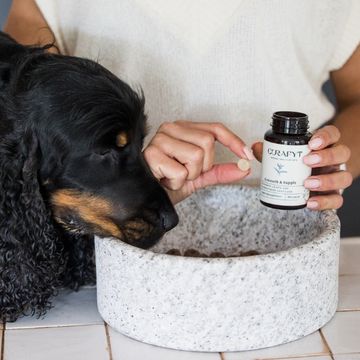
Probiotic capsules contain concentrated probiotics and can be easily added to your dog's food. They allow for precise dosing.
Powdered probiotics can be mixed into food. They are often flavourless and are generally well accepted by dogs.
Probiotic chews or treats are a practical option if your dog responds well to treats. They make administration straightforward and stress-free.
Liquid probiotics can be administered directly into the mouth. This can be useful for dogs that have difficulty accepting capsules or powder in their food.
Probiotics for dogs: side effects
Probiotics are generally considered safe for most dogs, but some side effects can occur, particularly when first starting supplementation.
Stomach upset
Some dogs experience mild stomach upset, such as vomiting or diarrhoea, when first introduced to probiotics. This is usually temporary and resolves as the digestive system adjusts to the new bacteria.
Allergic reactions
Although rare, some dogs may react to specific probiotic strains. Watch for signs such as itching, a rash, or breathing difficulties. If you suspect an allergic reaction, stop the supplement immediately and consult your vet.
Overdose
Always follow the recommended dosage. Overdosing can lead to digestive problems and other side effects. Follow the instructions on the packaging or those given by your vet carefully.
Drug interactions
If your dog is taking other medications, consult your vet before starting probiotics. Some strains may affect the effectiveness of certain medicines.
IMBY Probiotics Supplement
Probiotic supplement formulated for dogs. Supports a healthy gut flora, improves digestion, and helps dogs recover from digestive upset or antibiotic treatment.
Support your dog's gut health
Browse our full range of dog supplements, including probiotics formulated for canine digestive health.
Shop dog supplementsReferences
[1] Jensen AP, Bjornvad CR. (2019). Clinical effect of probiotics in prevention or treatment of gastrointestinal disease in dogs: a systematic review. Journal of Veterinary Internal Medicine, 33(5), 1849–1864.
Share