


























What to do if your dog is itching: tips and solutions
 by Nicolas Bartholomeeusen on Jul 16 2026· 5 min read
Key takeaways
- Itching in dogs usually traces back to a handful of causes: parasites, allergies, skin infections, dry skin, or stress, so identifying the trigger is the first step before treating it.
- Medical options like flea treatments, antibiotics, antihistamines, and hypoallergenic diets address specific causes, while natural remedies such as coconut oil, aloe vera gel, and oatmeal baths can ease mild irritation.
- Diet matters. Omega-3 and omega-6 rich foods, hypoallergenic ingredients, and probiotics support skin repair and gut health, which in turn can reduce allergic reactions.
- See a veterinarian if the itching lasts more than two weeks or if you notice redness, bald patches, sores, blisters, pus, or scabs, since these signs point to infections or conditions that need proper diagnosis.
Does your dog suffer from persistent itching? It's more common than most owners realise, and the causes range from parasites and allergies to skin infections, stress, and diet. Left untreated, it doesn't just cause discomfort, it can lead to broken skin and secondary infections. In this article, we walk through the most effective treatments, both medical and natural, along with nutrition and prevention tips, and cover exactly when a vet visit stops being optional.
What causes itching in dogs?
Itching in dogs can be caused by various factors. The most common causes are:
- Parasites: Fleas, mites and ticks cause skin irritation, and flea bites in particular produce a distinct itch pattern vets can recognise [1].
- Allergies: Food allergies, environmental allergies (pollen, dust mites) or contact allergies (dog bed, cleaning products). In one food-challenge study, most dogs with a diagnosed food allergy started itching within 12 hours of eating the trigger ingredient [2].
- Skin infections: Bacterial and fungal infections often occur following skin damage caused by scratching.
- Dry skin: A deficiency in essential fatty acids can cause flaky, itchy skin.
- Stress and behaviour: Dogs with separation anxiety or boredom may lick and scratch excessively.
A veterinarian can determine the exact cause using skin scrapings, blood tests or allergy tests.
Good to know
Canine atopic dermatitis, one of the leading causes of chronic itching, is estimated to affect somewhere between 3 and 15% of dogs, though researchers note the true figure is hard to pin down because diagnostic criteria vary so much between studies [3].
How do you treat itching in dogs?
1. Medical treatments
Some conditions require a medical approach. Some effective treatments include:
- Parasite control: Flea treatments such as spot-on products (fipronil, selamectin), flea collars or medicated shampoos.
- Treatment of infections: Antibiotics for bacterial infections, antifungal agents for skin infections.
- Allergy treatment: Hypoallergenic diet (insect protein, grain-free), immunotherapy (desensitisation).
- Anti-itch treatments: Corticosteroids (in severe cases), antihistamines and cyclosporine reduce inflammation.
2. Natural remedies for itching
Some home remedies can relieve mild itching and moisturise the skin:
- Coconut oil: Has antimicrobial properties and strengthens the skin.
- Aloe vera gel: Relieves itching and soothes minor wounds.
- Oatmeal baths: Soothes skin irritation and moisturises dry skin.
- Chamomile tea: Apply lukewarm to the skin to reduce redness and itching.
- Cottage cheese or yoghurt: Cools the skin and can reduce inflammation.
These home remedies work best for mild, occasional itching. If your dog keeps scratching the same spot raw, that's not a coconut oil problem anymore, it's time to see a vet.
3. Dietary changes for healthy skin
Nutrition plays a key role in managing itching. Consider:
- Hypoallergenic nutrition: Avoid grains; opt for insect proteins or fish-rich nutrition.
- Essential fatty acids: Nutrition rich in omega-3 and omega-6 (salmon oil, linseed) supports skin repair. In a controlled trial, dogs supplemented with omega-3 for ten weeks showed measurable improvement in their dermatitis scores compared to the placebo group [4].
- Probiotics and vitamins: Vitamin E supplements and probiotic yoghurt help maintain healthy gut flora, which reduces allergies.
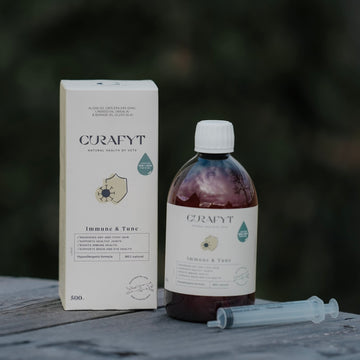
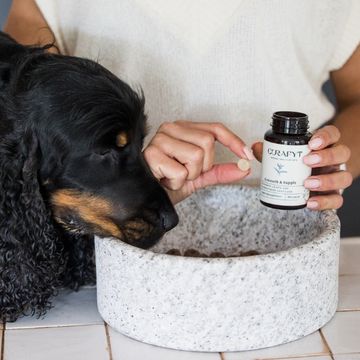
IMBY Immune & Tune Supplement
A plant-based, hypoallergenic omega-3 supplement built as an alternative to salmon oil, for dogs with itchy skin, a dull coat, or sensitivity to fish-based oils.
What can you do to prevent itching?
Preventive measures help prevent recurring itching:
1. Regular coat care
A well-groomed coat prevents the build-up of allergens and parasites:
- Brushing: 2–3 times a week to remove loose hair and dirt.
- Mild dog shampoos: Use a pH-neutral shampoo without fragrances.
- Do not wash too often: No more than once a month to prevent dryness.
2. Reducing stress
Some dogs scratch due to stress or boredom. Adjustments such as:
- More exercise: Long walks or playtime reduce stress and scratching behaviour.
- Distractions: Chew toys, snuffle mats or brain teasers provide mental stimulation.
- Calming supplements: Bach flower remedies or valerian for relaxation.
3. Environmental control and allergy prevention
- Avoid dust mites and mould: Wash dog bedding at 60°C and vacuum regularly.
- Hypoallergenic cleaning products: Use fragrance-free detergents for blankets and beds.
- Avoid problematic food ingredients: Eliminate food allergens in consultation with a veterinarian.
When should you visit a veterinarian?
Consult a veterinarian if:
| Symptom | Possible cause | Action |
| Itching lasting longer than 2 weeks | Allergies, parasites | Examination required |
| Redness, bald patches, sores | Fungal or bacterial infection | Antibiotics or antifungal medication required |
| Excessive licking or biting of paws | Food allergy, stress | Dietary changes or behavioural adjustments |
| Blisters, pus or scabs | Serious infection or skin disease | Immediate medical treatment required |
Persistent or worsening itching requires specialist diagnosis, such as a referral to a dermatologist.
Conclusion
Dogs with itching may suffer from parasites, allergies, skin infections, nutritional deficiencies or stress, and often more than one of these at once. Treatments range from medication and natural remedies to dietary changes, and the right one depends entirely on the cause. Regular coat care, stress reduction and allergy prevention go a long way toward preventing itching from coming back. If the scratching lasts more than two weeks, or you notice anything beyond ordinary itchiness, that's your cue to call the vet.
References
[1] Bruet V, Bourdeau PJ, Roussel A, Imparato L, Desfontis JC. Characterization of pruritus in canine atopic dermatitis, flea bite hypersensitivity and flea infestation and its role in diagnosis. Vet Dermatol. 2012;23(6):487-e93. doi:10.1111/j.1365-3164.2012.01092.x
[2] Shimakura H, Kawano K. Results of food challenge in dogs with cutaneous adverse food reactions. Vet Dermatol. 2021;32(3):293-e80. doi:10.1111/vde.12953
[3] Drechsler Y, Dong C, Clark DE, Kaur G. Canine Atopic Dermatitis: Prevalence, Impact, and Management Strategies. Vet Med (Auckl). 2024;15:15-29. doi:10.2147/VMRR.S412570
[4] Mueller RS, Fieseler KV, Fettman MJ, Zabel S, Rosychuk RAW, Ogilvie GK, Greenwalt TL. Effect of omega-3 fatty acids on canine atopic dermatitis. J Small Anim Pract. 2004;45(6):293-297. doi:10.1111/j.1748-5827.2004.tb00238.x
Support your dog's skin from the inside out
If persistent itching traces back to food sensitivity or a compromised gut, a diet built for sensitive skin and digestion can make a real difference.
Shop IMBY GI Sensitive Dog FoodShare