






















Top 10 Health Benefits of Adding a Dog Food topper
 by Nicolas Bartholomeeusen on Jun 14 2026· 7 min read
Key takeaways
- A good topper boosts appetite and hydration, which helps dogs maintain a stable weight and supports kidney and urinary health.
- Ingredients like chicory, pumpkin, omega-3, turmeric and green-lipped mussel can improve digestion, coat condition and joint comfort.
- Some toppers go further, with antioxidants for brain health, beta-glucans for immune support, and calming compounds like L-tryptophan and chamomile for stress, though the stress-related evidence is still mixed.
- Start with one tablespoon per 10 kg of body weight, track changes in a logbook, and subtract the added calories from the main meal.
The days when dog food toppers were seen as a ‘nice gimmick’ are long gone. Below are the ten most well-established health benefits, including practical tips on how to make the most of each one.
1. Improved appetite and a stable weight
An aromatic topper can be the difference between a half-empty bowl and one licked clean. That matters more than it sounds: dogs that eat consistently avoid the muscle loss and low energy that come with skipped meals, and steady intake keeps weight in a healthy range over time.
2. Better hydration
Wet toppers add fluid to every meal, not just the water bowl. That extra moisture supports kidney function and helps dilute the minerals that form urinary stones. A 2025 study on adult dogs found that fresh, higher-moisture food increased total water intake and measurably changed urine concentration compared with dry kibble alone [1]. For a dog that barely touches its water bowl, that difference adds up over a week.
3. Healthier digestion
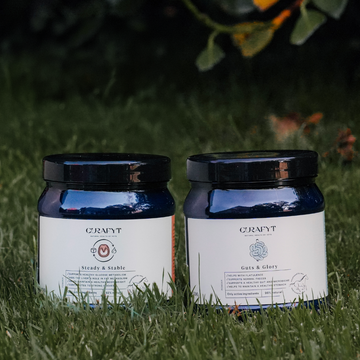
Prebiotics from chicory and pumpkin feed the bacteria that keep a gut balanced, which in most dogs shows up as less flatulence and firmer stools. A 2024 feeding trial found that chicory root powder improved fibre digestibility and supported digestive and immune markers in dogs fed cereal-based diets [2]. If digestion is the main concern, a targeted gut supplement such as Guts & Glory, formulated with prebiotics and probiotics for dogs with sensitive stomachs, does a similar job in a more concentrated form.
4. A shinier coat and calmer skin
Omega-3 from algae or linseed reduces inflammation and itching, and it shows up visibly: in a 2020 trial, dogs with poor-quality coats given a daily omega-3 supplement had a significantly improved clinical coat score from day 60 onward [3]. Six to eight weeks is the realistic timeline, not six days, so don’t give up on a topper before then.
5. Joint support
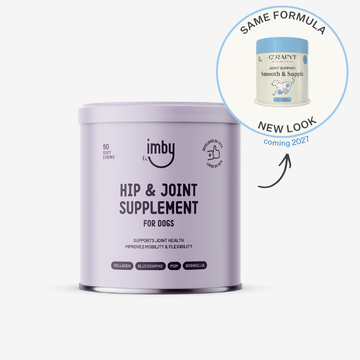
Turmeric, green-lipped mussel and collagen are the three ingredients that show up most often in joint-focused toppers, and there’s a reason: they nourish cartilage and dial down the inflammation behind stiffness. In one clinical trial, dogs with osteoarthritis fed a diet enriched with green-lipped mussel for 90 days were nearly seven times less likely to show reduced mobility after exercise than they were at the start [4].
Good to know
In that same green-lipped mussel trial, morning stiffness and reduced mobility after exercise both improved substantially by day 90, confirmed by activity monitors rather than owner impressions alone [4].
6. A healthy weight, thanks to fibre
Soluble fibre slows digestion and increases satiety, so a dog reaches for the bowl less between meals. Beagles fed a high-fibre diet in one feeding trial ate noticeably less at their next meal and lost more body fat over the study period than dogs on a low-fibre diet [5]. That’s useful for dogs prone to carrying extra weight, though fibre alone won’t undo a diet that’s simply too big for the dog eating it.
7. Cognitive support
Antioxidants from blueberries mop up the free radicals that damage brain cells over time. In a well-known study on aging beagles, dogs fed an antioxidant-enriched diet performed better on learning tasks than dogs on a standard diet, and the effect held up over the length of the trial [6]. The catch: the same study found no benefit in young dogs, so this is a benefit for older dogs specifically, not a universal one.
8. An immune boost
Beta-glucans from mushrooms activate macrophages and support antibody production. A 2023 study in Labrador Retrievers found that dietary yeast beta-glucan altered immune cell responses around vaccination, without interfering with the vaccine’s protective effect [7]. It’s not a substitute for a vet-scheduled vaccination, but it’s a reasonable case for adding it around that time of year.
9. Less stress
L-tryptophan and chamomile are thought to raise serotonin levels, which is the theory behind why they turn up in calming toppers for fireworks season or separation anxiety. Worth saying plainly: the evidence here is mixed. A 2024 review of the available trials found tryptophan supplementation had only a modest, inconsistent effect on anxious behaviour in owned dogs [8]. If a dog’s anxiety is more than mild, a purpose-built option like Calm & Chill, which combines calming compounds at a higher, tested dose, is a more reliable bet than a topper alone.
10. Planet-friendly nutrition
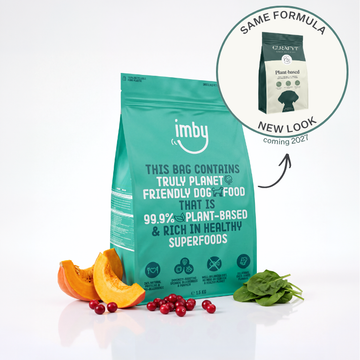
Plant-based ingredients generally carry a smaller footprint than meat-based ones, largely because growing the protein source itself uses far less land and water. A 2025 UK life-cycle assessment comparing plant-based and meat-based dry dog foods found meaningfully lower emissions and resource use for the plant-based option, without a nutritional trade-off [9]. Good for the dog, and good for whoever is paying the energy bill on the planet.
Practical application
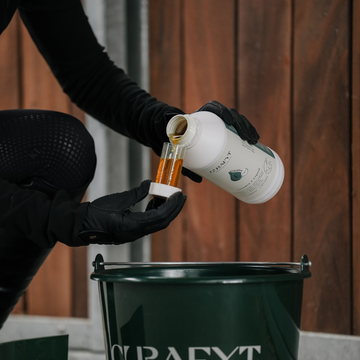
Start with one tablespoon per 10 kg of body weight. Watch how the coat, stools and energy levels change over the first few weeks, note it down somewhere, and adjust the dose if needed. One thing that’s easy to forget: deduct the topper’s calories from the main meal, or the healthy addition just becomes extra weight.
The bottom line
A topper is more than a tasty garnish. Used well, it’s a multifunctional health tool that quietly changes what a bowl of food is doing for a dog, one ingredient at a time. Pick the ones that match what your dog needs, rather than all ten at once, and you’ll see which of these benefits show up first.
Want more targeted support?
If one or two of these benefits matter more than the rest for your dog, a purpose-built supplement often gets there faster than a general topper.
Shop dog supplementsReferences
- Sires R, Yamka R, Wakshlag J. Feeding fresh food and providing water ad libitum is clinically proven to exceed calculated daily water requirements and impact urine relative supersaturation in dogs. Frontiers in Veterinary Science, 2025.
- Anthonyraj S, Pattanaik AK, Baliyan S, Kumar A, Kumar S. Chicory root powder included as a prebiotic in different cereal-based diets for dogs: influences on gut health, metabolic and immunological status. Bioactive Carbohydrates and Dietary Fibre, 2024.
- Combarros D, Castilla-Castaño E, Lecru LA, Pressanti C, Amalric N, Cadiergues MC. A prospective, randomized, double blind, placebo-controlled evaluation of an n-3 essential fatty acids supplement on clinical signs in dogs with poor quality coats. Prostaglandins, Leukotrienes and Essential Fatty Acids, 2020.
- Rialland P, Bichot S, Lussier B, Moreau M, Beaudry F, del Castillo JRE, Gauvin D, Troncy E. Effect of a diet enriched with green-lipped mussel on pain behavior and functioning in dogs with clinical osteoarthritis. Canadian Journal of Veterinary Research, 2013.
- Bosch G, Verbrugghe A, Hesta M, Holst JJ, van der Poel AFB, Janssens GPJ, Hendriks WH. The effects of dietary fibre type on satiety-related hormones and voluntary food intake in dogs. British Journal of Nutrition, 2009.
- Cotman CW, Head E, Muggenburg BA, Zicker S, Milgram NW. Brain aging in the canine: a diet enriched in antioxidants reduces cognitive dysfunction. Neurobiology of Aging, 2002.
- Fries-Craft K, Kilburn-Kappeler LR, Aldrich CG, Bobeck EA. Dietary yeast beta 1,3/1,6 glucan supplemented to adult Labrador Retrievers alters peripheral blood immune cell responses to vaccination challenge without affecting protective immunity. Journal of Animal Science, 2023.
- Sofyan LM. In adult dogs is supplementary tryptophan in the diet effective in reducing signs of anxiety? Veterinary Evidence, 2024.
- Brociek RA, Gardner DS. Environmental impact of feeding plant-based vs. meat-based dry dog foods in the United Kingdom. Frontiers in Sustainable Food Systems, 2025.
Share