





















What can you do about a dull coat on dogs?
 by Nicolas Bartholomeeusen on Jun 14 2026· 4 min read
Key takeaways
- Omega-3 deficiency is the most common nutritional cause of coat dullness; a diet with marine-source EPA and DHA typically produces visible improvement within 6-8 weeks.
- Food allergies are a frequent cause of dull, flaky coats alongside itching and ear problems; an 8-12 week elimination diet is the standard diagnostic approach.
- Overwashing strips the coat of natural oils and worsens dullness; once every 4-6 weeks is the appropriate frequency for most dogs.
- Coat deterioration that doesn't improve with dietary changes warrants a vet check for hypothyroidism, Cushing's disease, or systemic conditions.
Coat condition is a visible readout of internal health. A dull, rough, or thinning coat is rarely cosmetic. It is usually a sign of something the dog is not getting enough of, reacting to, or dealing with systemically. The four most common causes are nutritional deficiency, inadequate hydration, a skin condition or allergy, and an underlying health problem. Each has a different fix.
Nutrition and fatty acids
Omega-3 deficiency is the most common nutritional cause of coat dullness. The skin relies on EPA and DHA from marine sources to maintain its barrier function and support sebum production; without enough, the coat becomes dry, brittle, and loses sheen. Zinc deficiency produces a similar picture, particularly in breeds with high zinc requirements. The fix is a high-quality diet with documented omega-3 content from fish or marine sources [1]. In dogs showing significant coat deterioration, a marine-source omega-3 supplement alongside the regular diet often accelerates improvement.
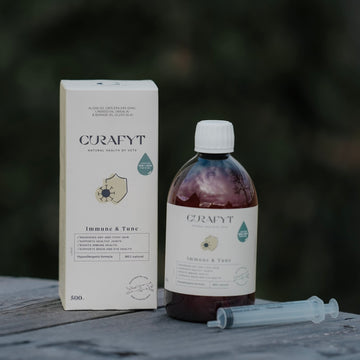
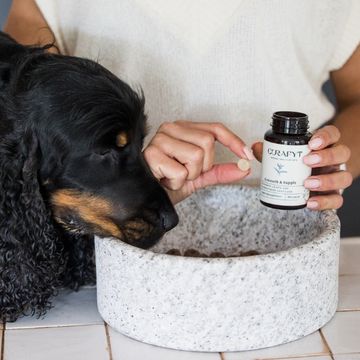
Immune & Tune Supplement
Hypoallergenic omega-3 for dogs. Supports skin barrier function, coat condition, and daily immune resilience — a plant-based alternative to salmon oil.
IMBY Multivitamin Supplement
Daily multivitamin support for dogs. Helps maintain overall health, immune function, and healthy skin and coat condition — and fills nutritional gaps in the daily diet.
Allergies and skin conditions
Food allergies cause a chronic low-grade inflammatory response in the skin that shows clearly in the coat: scaling, greasiness, dullness, and hair thinning, often alongside itching and recurring ear problems. Common dietary triggers in dogs include beef, chicken, dairy, wheat, and soya [2].
Environmental allergies (atopic dermatitis) produce similar symptoms through a different mechanism. The standard diagnostic approach for food allergy is an 8 to 12-week elimination diet using a novel or hydrolysed protein source, followed by systematic reintroduction to identify the trigger. Flea allergy dermatitis is a third common type; a single flea bite triggers severe skin inflammation in susceptible dogs.
Food allergy or environmental allergy?
Food allergy symptoms are typically year-round and often involve the ears and paws alongside the coat. Environmental allergies often show seasonal patterns (pollen) or worsen indoors (dust mites). Both can coexist. A vet can guide the diagnostic process; attempting an elimination diet without guidance often produces inconclusive results.
Hydration
Dehydration impairs the transport of nutrients to hair follicles, producing dullness and increased shedding. Dogs eating primarily dry kibble have a substantially higher water intake requirement than dogs on wet food. Ensure fresh water is always available and accessible. Adding warm water to dry food or switching partially to wet food resolves most hydration-related coat issues.
Grooming
Regular brushing distributes the coat's natural oils along the hair shaft and improves surface shine. Two to three times per week is the minimum for most coats; daily for long-coated breeds during shedding season. Use the right tool: a slicker brush for long and wavy coats, a rubber curry comb for short coats.
Overwashing strips the coat of its natural oils and produces the opposite of the intended effect. Once every four to six weeks is sufficient for most dogs unless a skin condition requires more frequent medicated bathing. A conditioning rinse after washing replaces some of the oils removed during bathing.
When to see a vet
If dietary changes and improved grooming do not produce visible improvement within six to eight weeks, a veterinary examination is warranted. Coat deterioration is a recognised sign of hypothyroidism, hyperadrenocorticism (Cushing's disease), internal parasites, and other systemic conditions that need diagnosis before treatment. These will not resolve with diet changes alone.
Support from the inside out
The right omega-3 profile and targeted supplementation make a visible difference to coat quality over time.
View dull coat productsFAQ
How long does it take to see coat improvement after changing diet?
Coat hair grows slowly. Allow six to eight weeks minimum before concluding that a dietary change is not working. Dogs with severe deficiencies or active skin conditions may take longer.
Is a dull coat always diet-related?
No. Allergies, skin infections, parasites, hormonal conditions, and systemic illness all affect coat quality. Diet is the most common cause, but persistent dullness that doesn't improve with dietary changes should be assessed by a vet rather than treated with additional supplements.
Can I use human fish oil supplements for my dog?
Plain fish oil (without additives like xylitol or flavourings) is generally safe for dogs at the appropriate dose, but the dose per body weight differs significantly from human supplement doses. Consult your vet for the correct dosing for your dog's size.
References
[1] Bauer JE. Therapeutic use of fish oils in companion animals. J Am Vet Med Assoc. 2011;239(11):1441–51.
[2] Leistra MH, Markwell PJ, Willemse T. Evaluation of selected-protein-source diets for management of dogs with adverse reactions to foods. J Am Vet Med Assoc. 2001;219(10):1411–4.
Share