Eksperckie porady dotyczące zdrowia i dobrostanu koni

Horse grazing grass

Eksperckie porady dotyczące zdrowia i dobrostanu koni

The Hidden Sugar Danger Threatening Your Horse's Health

przez Valerie De Clerck 23 paź 2024
Did you know there's a hidden danger lurking in your horse's diet right now? A danger so widespread it's affecting up to 40% of domestic horses... Yet so sneaky, most owners have no clue it's there. I'm talking about sugar. Now, I know what you're thinking... "Sugar? Come on, my horse doesn't eat sweets!" But stick with me, because what I'm about to share might just save your horse's life. In fact, this hidden sugar danger is so serious, it's keeping me up at night. And trust me, I've seen a lot in my years working with horses. But this? This takes the biscuit. (No pun intended.) So buckle up, because in this post, we're going to dive deep into: The shocking stats about sugar-related health issues in horses Where this hidden sugar is really coming from (hint: it's not where you think) The simple steps you can take TODAY to protect your horse Ready to uncover the truth about the sugary dangers threatening our equine friends? Let's dive in...   The Sugar Nightmare: Shocking Stats You Can't Ignore Before we go any further, let me hit you with some hard facts: Up to 40% of domestic horses are obese. That's nearly half! Up to 29% of sensitive horses are battling hyperinsulinemia. A whopping 89% of primary laminitis cases are linked to endocrine disorders. Now, you might be wondering... "What do these stats have to do with sugar?" Everything. You see, all these health issues have one common thread: Too much sugar in our horses' diets. The Sugar Trap: It's Not Where You Think Now, I know what you're thinking... "But I don't give my horse sugar cubes or sweet feed!" And that's great! But, this is where it gets interesting: The sugar danger isn't coming from obvious sources. It's hiding in places you'd never suspect. Like that premium feed you're so proud of giving your horse? It could be loaded with hidden sugars. Or that lush, green pasture you let your horse graze on all day? It might as well be a sugar bowl. Even that handful of carrots you use as treats? Yep, you guessed it. Sugar bombs. The Pasture Paradox: When Green Isn't Good Let me tell you a quick story about my friend Eileen and her horse, Rosa. Eileen thought she was doing everything right. Rosa had 24/7 access to a beautiful, green pasture. "She's living the natural horse life," Eileen would say. But then Rosa started gaining weight. Her energy dropped. And one day, she found her limping. The diagnosis? Laminitis, triggered by insulin resistance. The culprit? All that "natural" grass Rosa had been munching on. You see, our modern pastures aren't designed for horses. They're sugar factories, bred for cattle that need to produce tons of milk. And our horses? They're grazing on this sugar-rich grass all day long. Which can have devastating effects on their health. Just look at Rosa a few months ago. Her hoofs were so sensitive she could barely walk.   So what do leading vets recommend? A Sugar-Smart Approach Now, I'm not saying you need to lock your horse in a stall and feed them nothing but hay. (In fact, that would cause a whole other set of problems!) But there are some simple steps you can take to protect your horse from the hidden dangers of sugar: Rethink your feed: Most horses don't need as much concentrated feed as they're getting. For a 500 kg horse in light work? Less than 1 kg of feed per day is plenty. Manage pasture time: Use a grazing muzzle or limit grazing time, especially in spring and fall when grass sugar content is highest. Choose treats wisely: Opt for low-sugar treats, or better yet, use praise and scratches as rewards. Keep them moving: Regular exercise helps regulate insulin levels and burn excess calories. Monitor body condition: You should be able to feel (but not see) your horse's ribs. If you can't, it's time to reassess their diet. The Game-Changer: Steady&Stable Now, I know making these changes can feel overwhelming. That's why we developed Steady&Stable. It's not a magic pill. (Those don't exist, no matter what anyone tells you.) But it is a scientifically-formulated supplement designed to support healthy sugar metabolism in horses with natural ingredients. Ingredients like Berberis vulgaris, which has been extensively studied for its potential to support insulin sensitivity… Chrysanthellum, which supports healthy liver function and aids in fat breakdown.  Milk Thistle, which plays a crucial role in managing fat metabolism by promoting liver health, which in turn enables horses to more effectively process fats and eliminate harmful substances from their bodies.   Steady&Stable can be a powerful ally in your fight against hidden sugars in your horse’s diet. But remember: It's just one piece of the puzzle. You still need to tackle the root causes: overfeeding, poor-quality pastures, and lack of exercise. Your Horse's Health Starts Now I understand the challenge. Adjusting your horse's diet and management routine isn't always easy. It takes time, effort, and often, a shift in our long-held beliefs about horse care. But let's consider this for a moment: How would you feel if your horse developed laminitis because you didn't take action? Or if they had to retire early due to obesity-related health issues? The good news is, you have the power to prevent this. And it starts with the choices you make today. So, are you ready to take control of your horse's health? To protect them from the hidden sugar danger that's threatening their wellbeing? If so, here's what I want you to do: Take a hard look at your horse's diet. Are they getting too much concentrated feed? Too much pasture time? Implement at least one of the sugar-smart strategies we discussed today. Consider adding Steady&Stable to your horse's regimen to support healthy sugar metabolism for a holistic approach. Remember, your horse is counting on you to make the right choices for their health. You've got this. And if you need any help along the way, we're here for you. Until next time, happy (and healthy) riding! Veterinarian Valérie P.S. Want to learn more about how Steady&Stable can support your horse's health? Click here to get all the details. Your horse will thank you!
Milk Thistle for Horses and Ponies: Natural Support for Your Horse's Liver

Eksperckie porady dotyczące zdrowia i dobrostanu koni

Milk Thistle for Horses and Ponies: Natural Support for Your Horse's Liver

przez Valerie De Clerck 19 wrz 2024
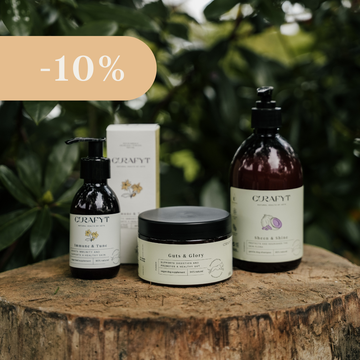
As a horse owner, you naturally want the best for your loyal four-legged friend. A natural herb gaining increasing attention in the equine world is milk thistle. But what exactly is milk thistle and how can it support your horse's health? In this blog, we delve deeper into the benefits of milk thistle for horses. Interestingly, horses in nature often seek out milk thistle in the meadow. This instinctive behavior suggests that horses recognize the healing properties of this plant. What is Milk Thistle? Milk thistle is an herb that has been used for centuries as a natural remedy to support liver and digestion in horses and ponies. The main active ingredient in milk thistle is silymarin, a powerful antioxidant with many health-promoting properties. Benefits of Milk Thistle for Horses 1. Liver Support Milk thistle is known as 'the liver herb par excellence'. Over the past 10 years, more than 12,000 scientific publications have appeared about milk thistle and its health benefits. Milk thistle helps protect and restore the liver, which is crucial for the overall health of your horse. A healthy liver in your horse ensures:• Better detoxification of the body• Support of the immune system• Improved digestion and metabolism 2. Anti-inflammatory Effects Research has shown that milk thistle has anti-inflammatory properties. This can help reduce inflammation in your horse's body, contributing to better overall health. But how does this work exactly? Milk thistle influences various inflammatory processes in the body: NF-kB inhibition: Milk thistle inhibits the activity of NF-kB, a protein that plays a central role in inflammation. TNF suppression: It reduces the production of TNF (Tumor Necrosis Factor), a substance that can cause inflammation. Inhibition of leukotrienes: Milk thistle inhibits the formation of leukotrienes, substances involved in inflammatory reactions. Reduction of pro-inflammatory substances: It helps lower substances such as interleukin-1β and prostaglandin E2, which can exacerbate inflammation. By influencing these processes, milk thistle can contribute to reducing inflammation throughout your horse's body, from the digestive organs to the joints. 3. Antioxidant Effects Milk thistle is packed with antioxidants. But what are antioxidants exactly? Simply explained: Think of antioxidants as small protectors in your horse's body. They fight against 'free radicals', which you can see as troublemakers. These free radicals can cause damage in your horse's body. Antioxidants neutralize these troublemakers. Why are antioxidants good for your horse? They keep the cells in the body healthy. They help your horse recover better after exercise. They support the immune system. They can help your horse stay fit longer. 4. Support of Energy Metabolism Recent research in sport horses has shown that feeding milk thistle seed improves energy metabolism. Horses given milk thistle had lower cortisol levels (= stress hormone). This can lead to better performance and faster recovery after exertion. In addition, horses given milk thistle had lower levels of NEFAs (free fatty acids) in their blood. This suggests that these horses use their energy more efficiently, which can result in better endurance during intensive training or competitions. How to Use Milk Thistle? Milk thistle can be added to your horse's diet in various ways: As a supplement in powder form or extract In the form of seed cakes mixed with feed Fresh or dried as an herb Yes, you can also give milk thistle fresh or dried to your horse. In nature, horses sometimes eat milk thistle on their own, suggesting that they can digest the plant well in its natural form. Fresh milk thistle can be added to daily feed, while dried milk thistle can be mixed with hay or other dry food. The advantage of fresh or dried milk thistle is that it offers the plant in its most natural form. However, it's important to make sure that the plant is not contaminated with pesticides or other harmful substances if you collect it in the wild. When in doubt, it's safer to opt for commercially available milk thistle. If you're unsure about the right form or dosage, you can always choose a controlled milk thistle supplement like Curafyt's Detox & Drain. Our supplements contain a standardized amount of active ingredients and have a clearly indicated dosage. It's a great way to get the right ingredients into your horse's diet and give you peace of mind. You can find more details about Detox & Drain by clicking the link below. Regardless of the form in which you give milk thistle, it's important to use the correct dosage. Always consult your veterinarian before starting to give milk thistle to your horse. Conclusion Milk thistle is a plant with numerous health benefits for your horse or pony. From liver support to anti-inflammation and improved energy metabolism, this natural herb can be a valuable addition to your horse's diet. If you're considering using milk thistle, consult your veterinarian first for personal advice. By supporting your horse's health with natural remedies like milk thistle, you can contribute to a long and vital life for your loyal four-legged friend. Scientific References Hackett, E. S., Twedt, D. C. & Gustafson, D. L. Milk Thistle and Its Derivative Compounds: A Review of Opportunities for Treatment of Liver Disease. Journal of Veterinary Internal Medicine vol. 27 10--16 Preprint at https://doi.org/10.1111/jvim.12002 (2013). Delmas, D., Xiao, J., Vejux, A. & Aires, V. Silymarin and cancer: A dual strategy in both in chemoprevention and chemosensitivity. Molecules vol. 25 Preprint at https://doi.org/10.3390/molecules25092009 (2020). Dockalova, H., Zeman, L. & Horky, P. Influence of milk thistle (Silybum marianum) seed cakes on biochemical values of equine plasma subjected to physical exertion. Animals 11, 1--16 (2021).